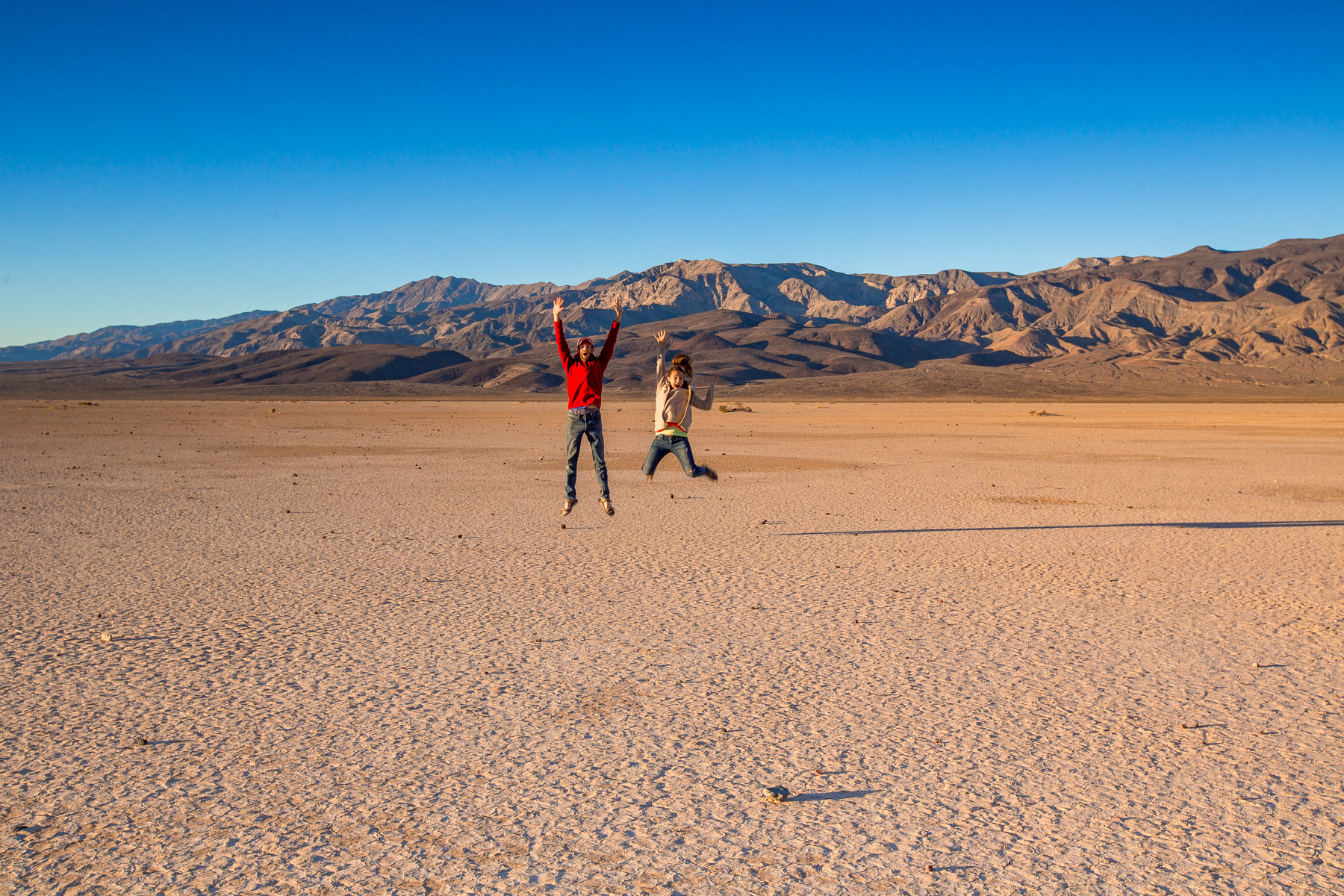
It’s no secret that I’m completely infatuated with Death Valley National Park. We spent two weeks exploring the park and decided to split our trip in two, one without 4WD and another time with 4WD.
Today, I’ll cover the top 7 places in Death Valley National Park (with 4WD). Read on for everything you need to know.
A quick note on the 4WD requirement. These roads are no joke. We’re talking washboard gravel, sharp rocks, deep sand and stretches where you won’t see another soul for hours. Make sure your spare tire is in good shape and bring extra water, food and a paper map. Cell service does not exist out here.
If you’re interested in visiting Death Valley National Park and don’t have 4WD, check out Top 10 Spots in Death Valley Without 4WD. It may prove helpful.
Death Valley With 4-Wheel Drive
#1. Eureka Dunes

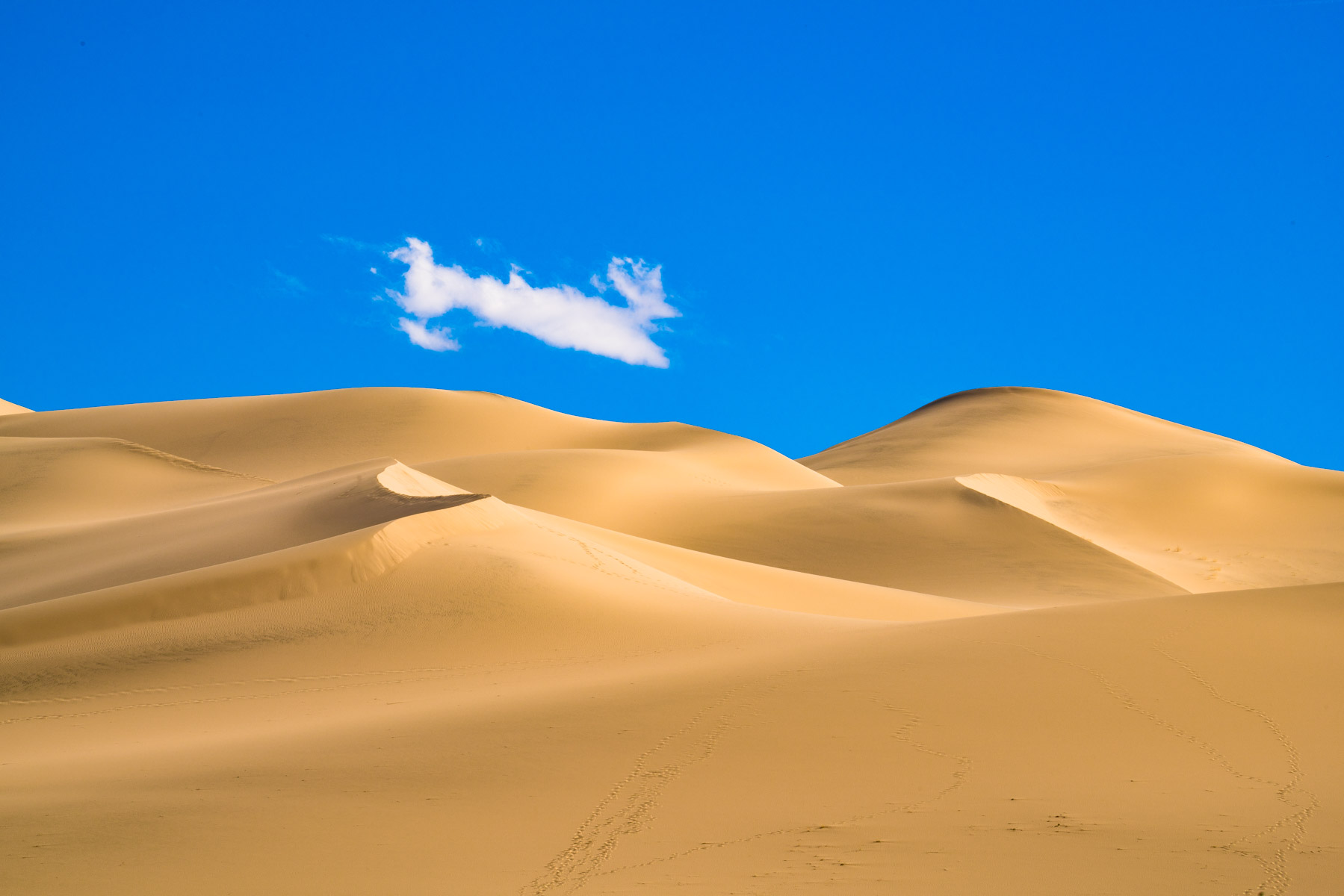
Hands down, the coolest dunes I’ve ever seen. This is the largest dune field in the park and we made the lovely mistake of booking it to the top to get a sunset shot. It was SO unbelievably hard.
The entire climb I felt like I was taking two steps forward and six steps back. The sand gave way beneath me and resulted in the sensation of surfing down. I probably sound crazy, maybe the heat got to me?
All things considered, this is the place I wouldn’t miss if we went again. Tip: they have first-come, first-served camping sites here, they’re free but they seem to go quickly!
We wrote a dedicated guide to Eureka Dunes if you want all the details on getting there, what to expect and the singing sand phenomenon.
#2. Surprise Canyon
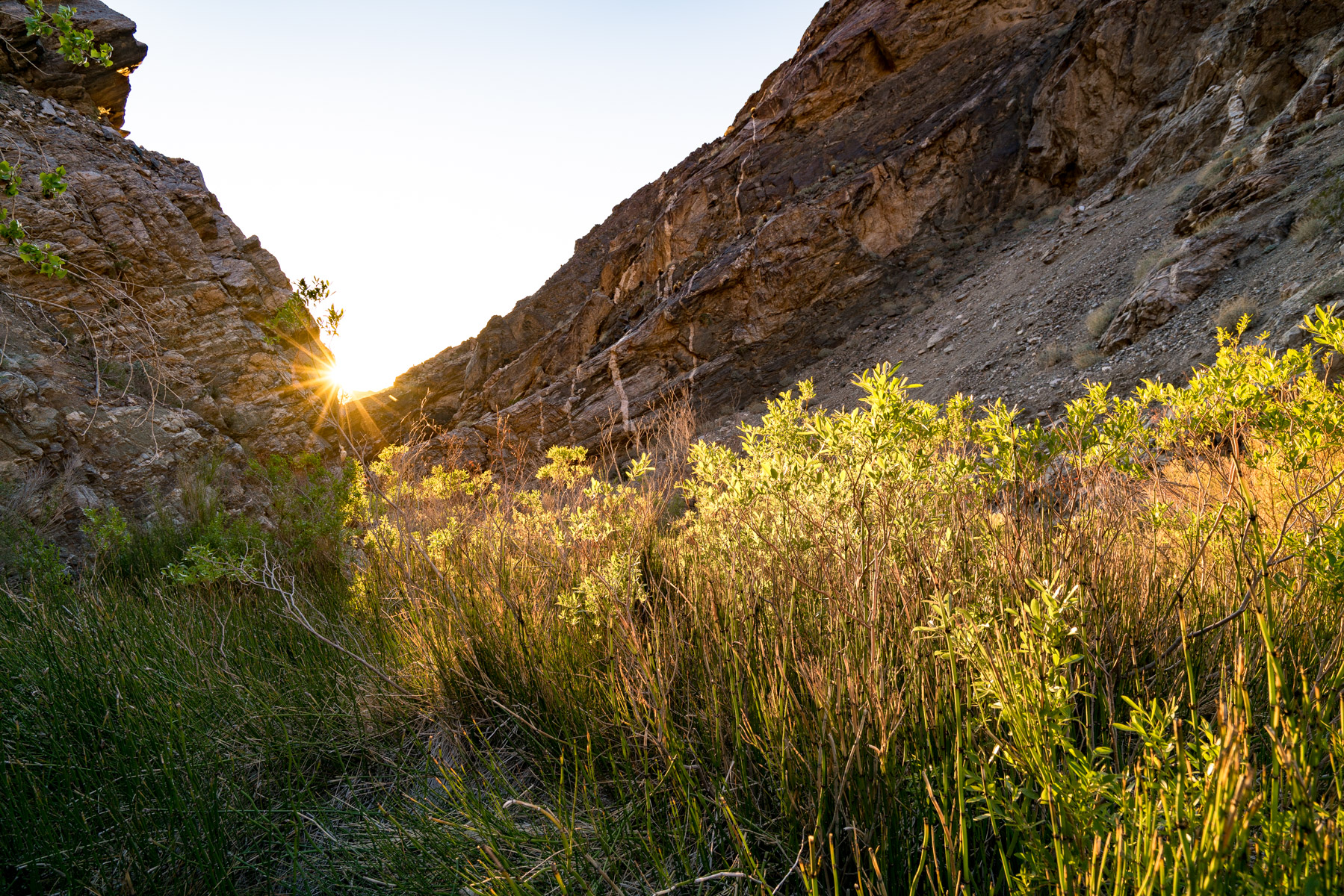
This is a surprise indeed!! We passed by three or four waterfalls on this hike. I consider this a “build your own adventure” type of hike where you can go in any direction to get to the end, as long as you keep moving forward.
Depending on the turns you make, the hike can be strenuous and somewhat dangerous if you’re not careful. We had to slow down a tad on the way back to make sure we didn’t slip.
The hike leads to the ruins of Panamint City, a silver mining ghost town from the 1870s. It’s about 4 miles one way with roughly 2,000 feet of elevation gain. Expect to get your feet wet because the trail crosses the creek multiple times. Waterproof boots or sandals with good grip are your friends here.
Okay, I may have faked a little slip on the way back just to get a sweet reaction out of Will. 😉 ha!
#3. Ibex Dunes
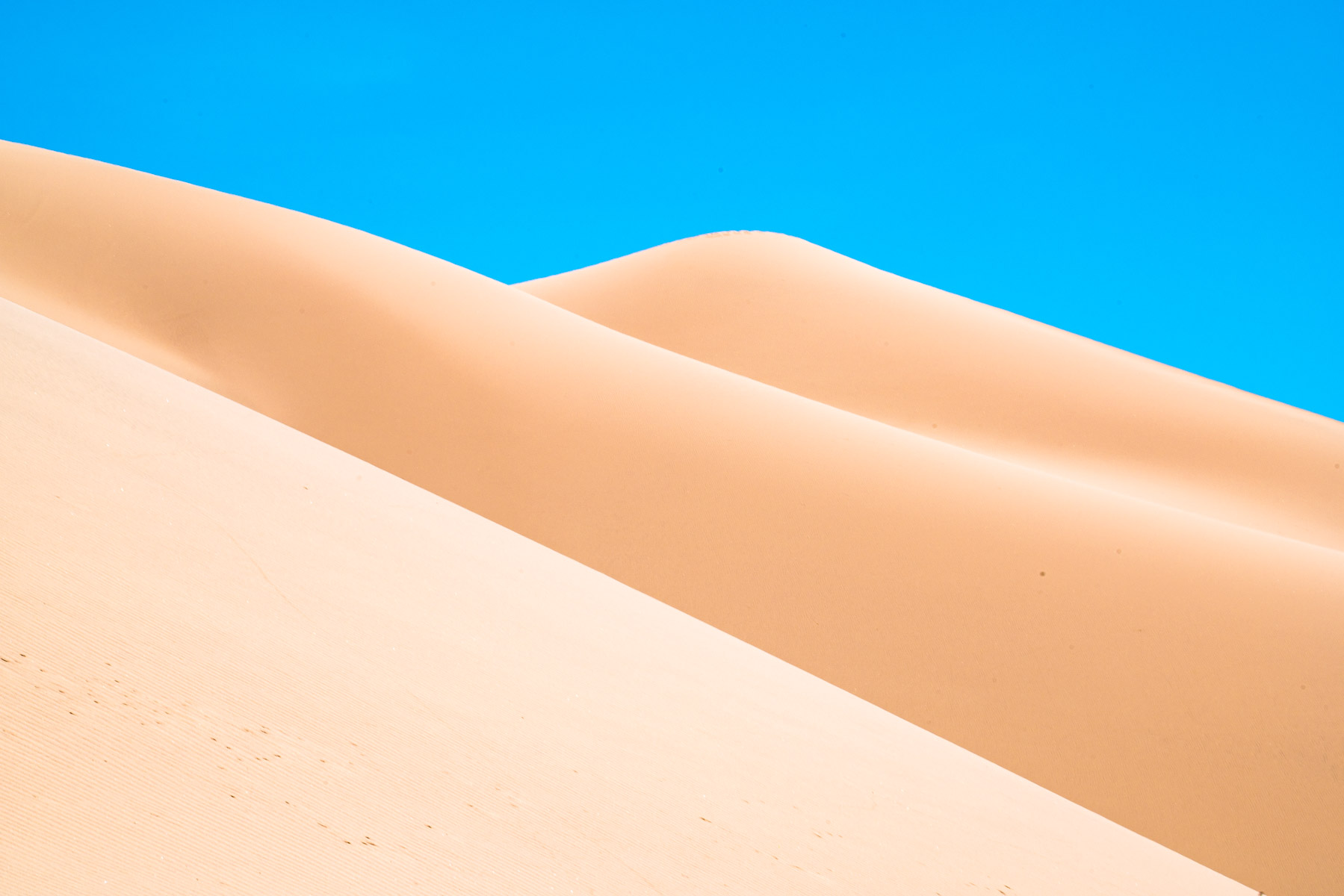
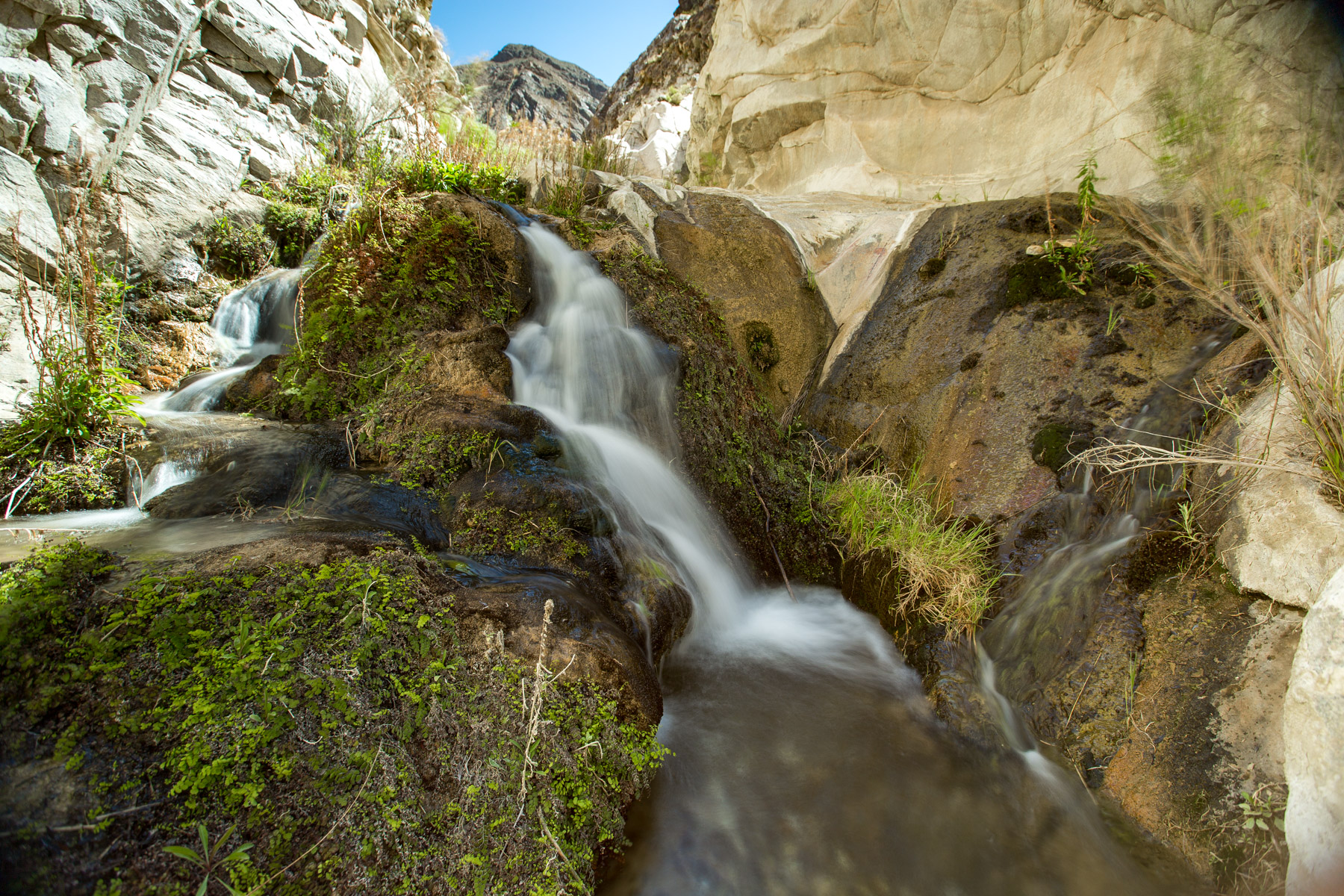
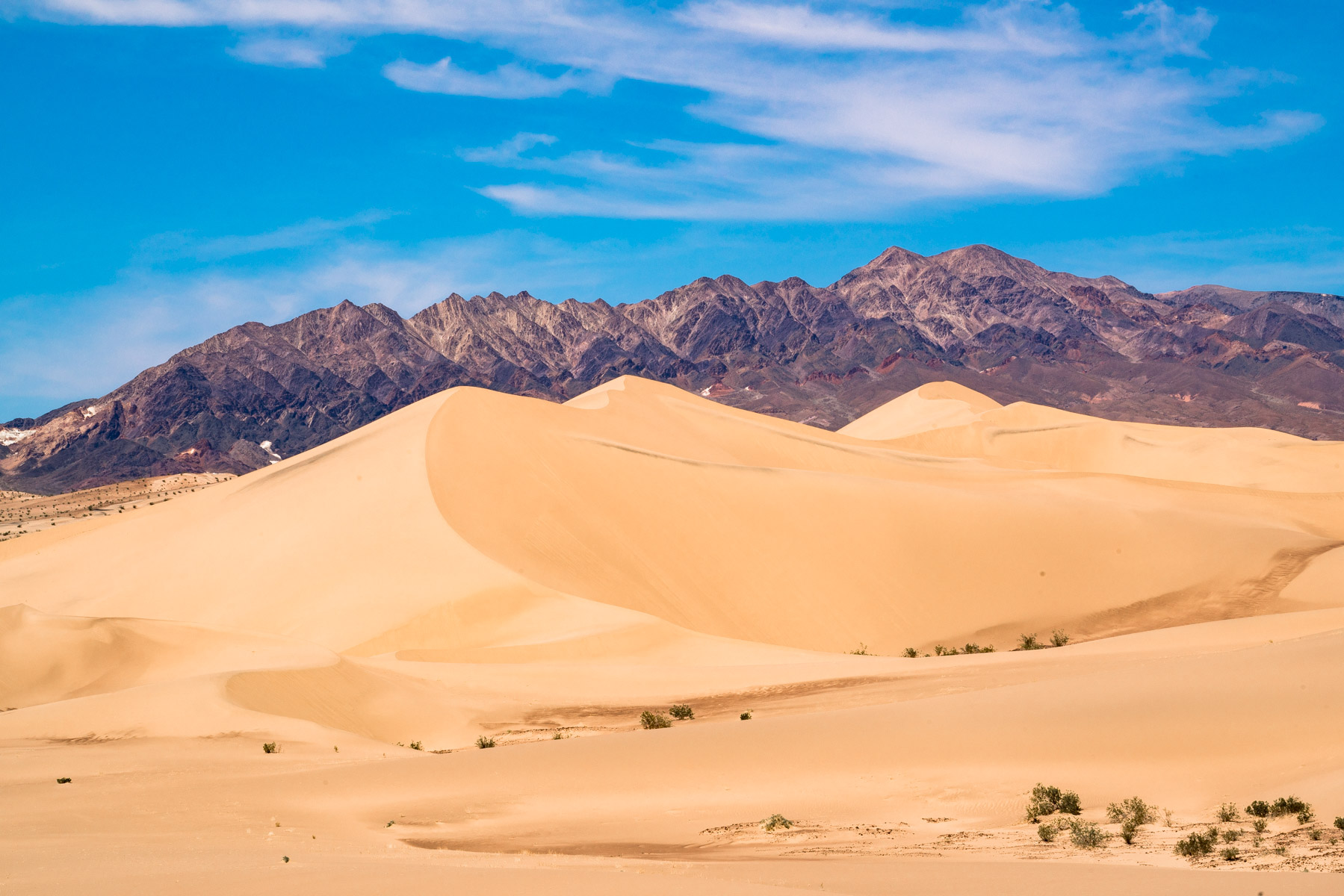
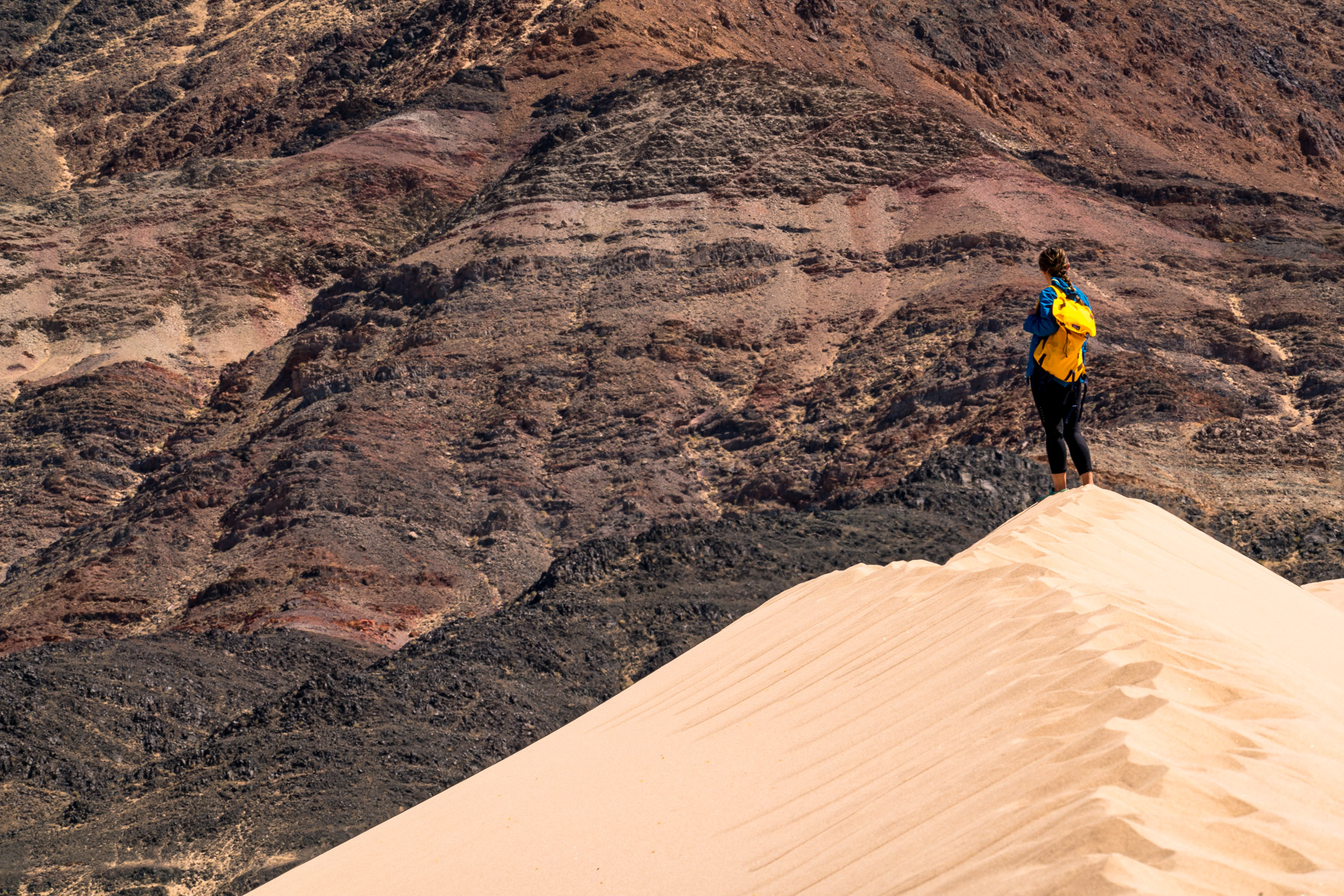
We were the only people playing in these dunes! But, boy, getting to them was quite the ordeal; the road is rough! With the popularity of national parks these days, it’s hard to imagine finding solitude anywhere you go. Well, not here.
These dunes are dear to me because we had them all to ourselves. A coveted escape from civilization. The introvert in me did a little happy dance.
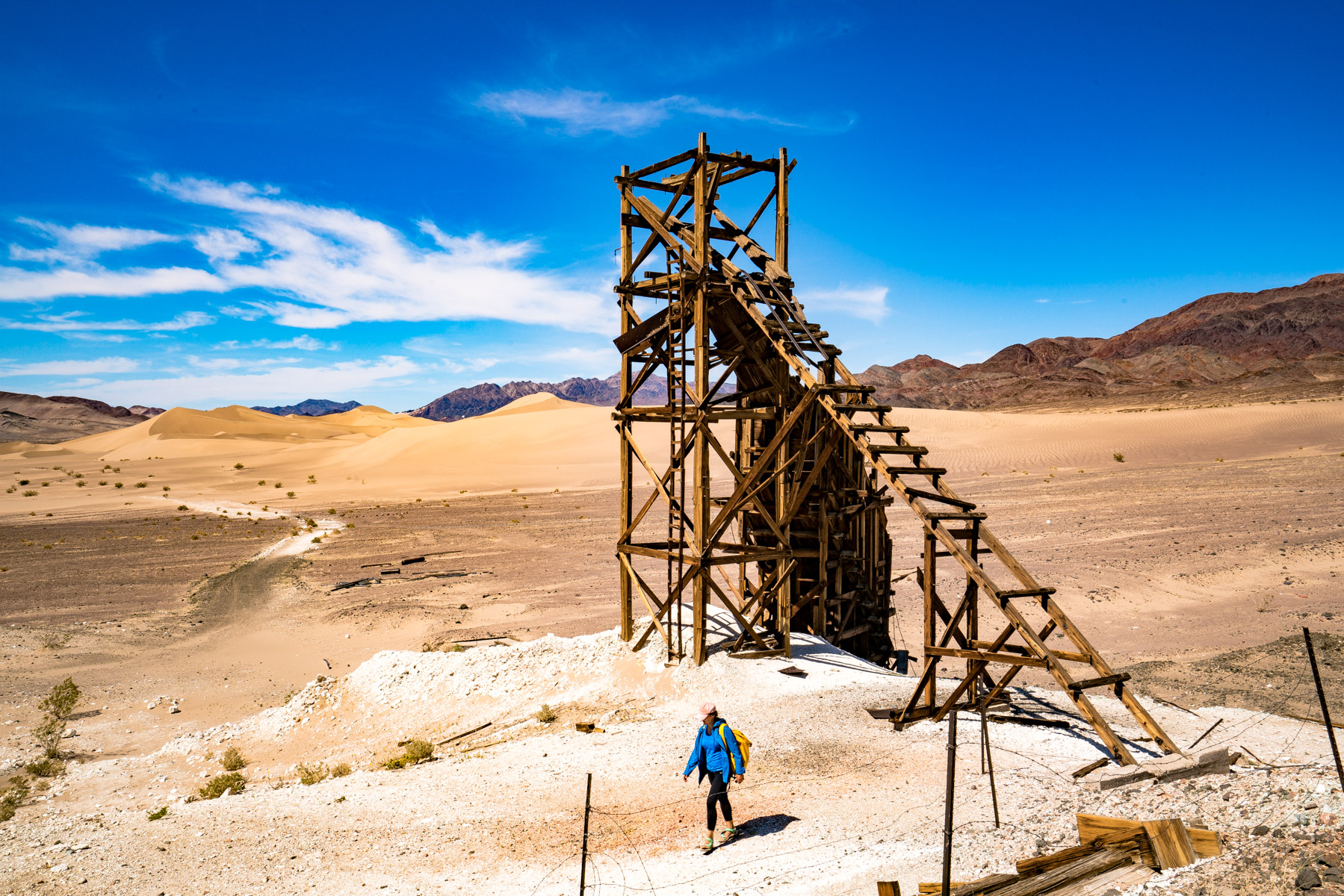
We hiked about three miles to reach the abandoned talc mine we came to see. The talc mine was awesome to explore but we foolishly hiked mid-day in 92 degree heat. Needless to say, I do not recommend doing that. Start early in the morning or wait until late afternoon when the temperatures drop and the light gets golden.

We were hoping to see rattlesnakes in this area and Will kept teasing by saying “THIS is the place we will see a rattlesnake.” But we didn’t see any. In fact, we didn’t spot a single snake our entire trip!
#4. Racetrack Playa
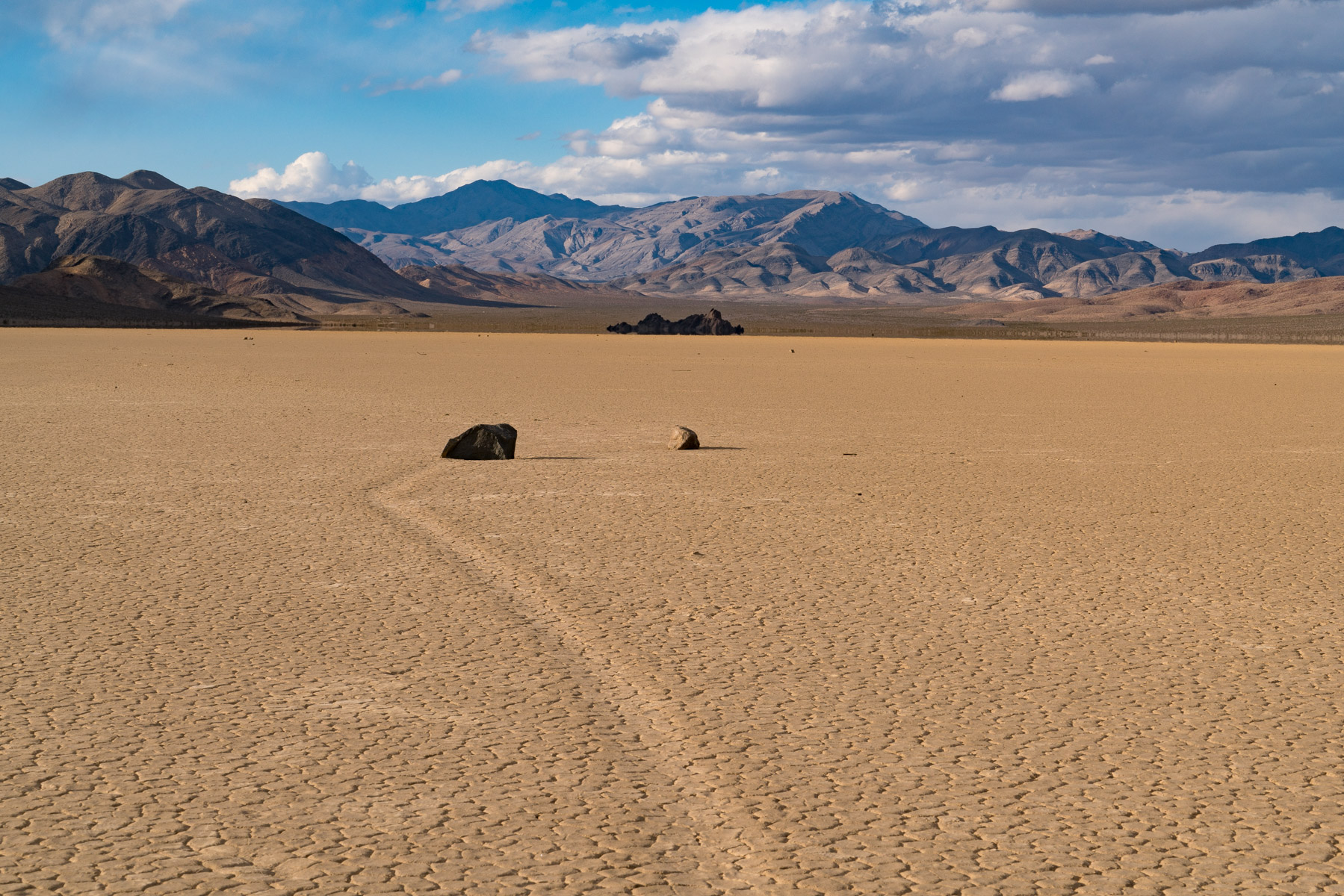
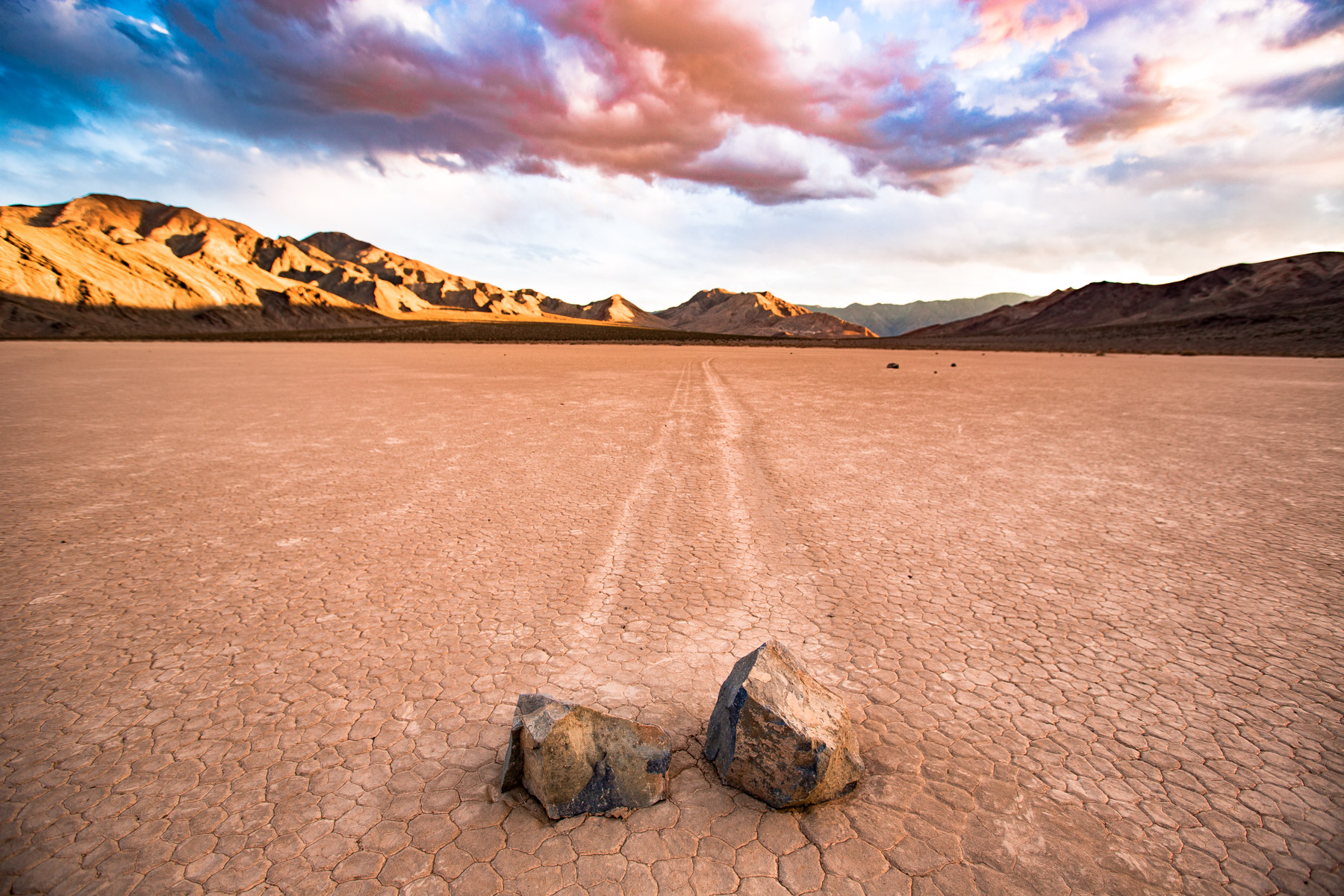
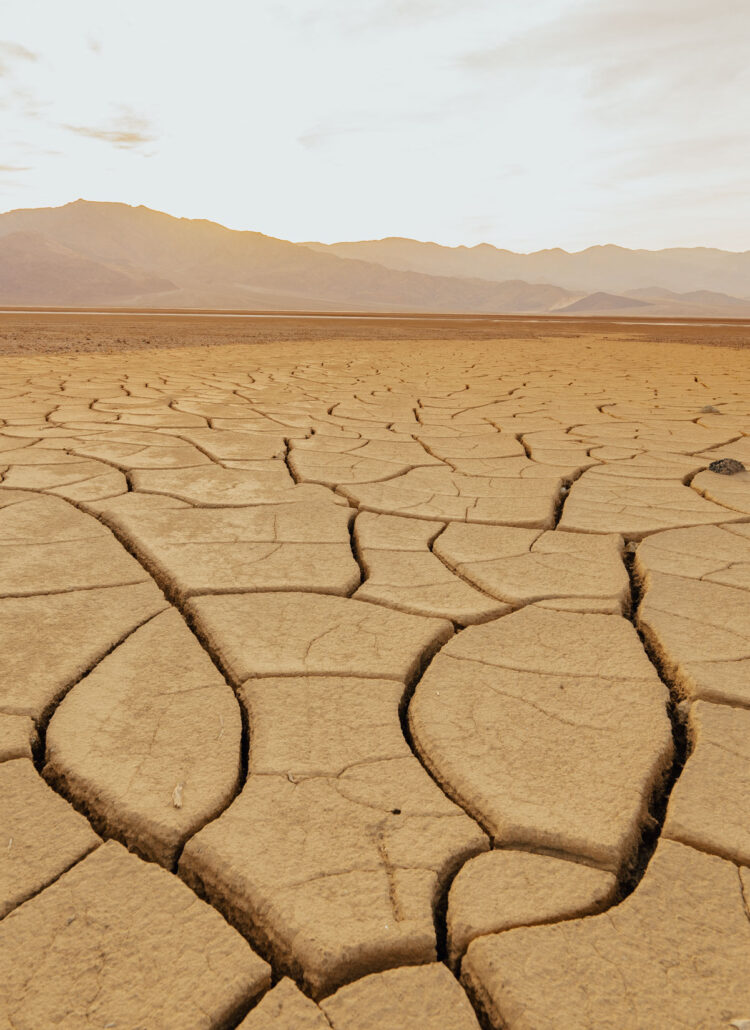
Racetrack Playa was the place I was most excited to see. The road to get here was terribly bumpy, so be prepared for that. The phenomenon that occurs here is absolutely amazing! The rocks move and leave tracks behind them.
Scientists figured out the mystery in 2014. Thin sheets of ice form around the rocks during cold winter nights, and when the ice begins to melt in the morning sun, light winds push the ice-encased rocks across the slick playa surface. Mystery solved, but it’s still wild to see in person.
One big bummer is that some people steal the rocks (because they believe they’re magical or something). It was really sad to see long, deep tracks and no rocks at the end. If you visit the park with 4WD, you should not miss the racetrack!!
Tip: park in the third parking lot, that’s where the biggest/best rocks are.
The drive from Ubehebe Crater to Racetrack Playa takes about 2 hours each way on a jarring washboard road. Budget your entire day for this excursion and bring snacks. A lot of snacks.
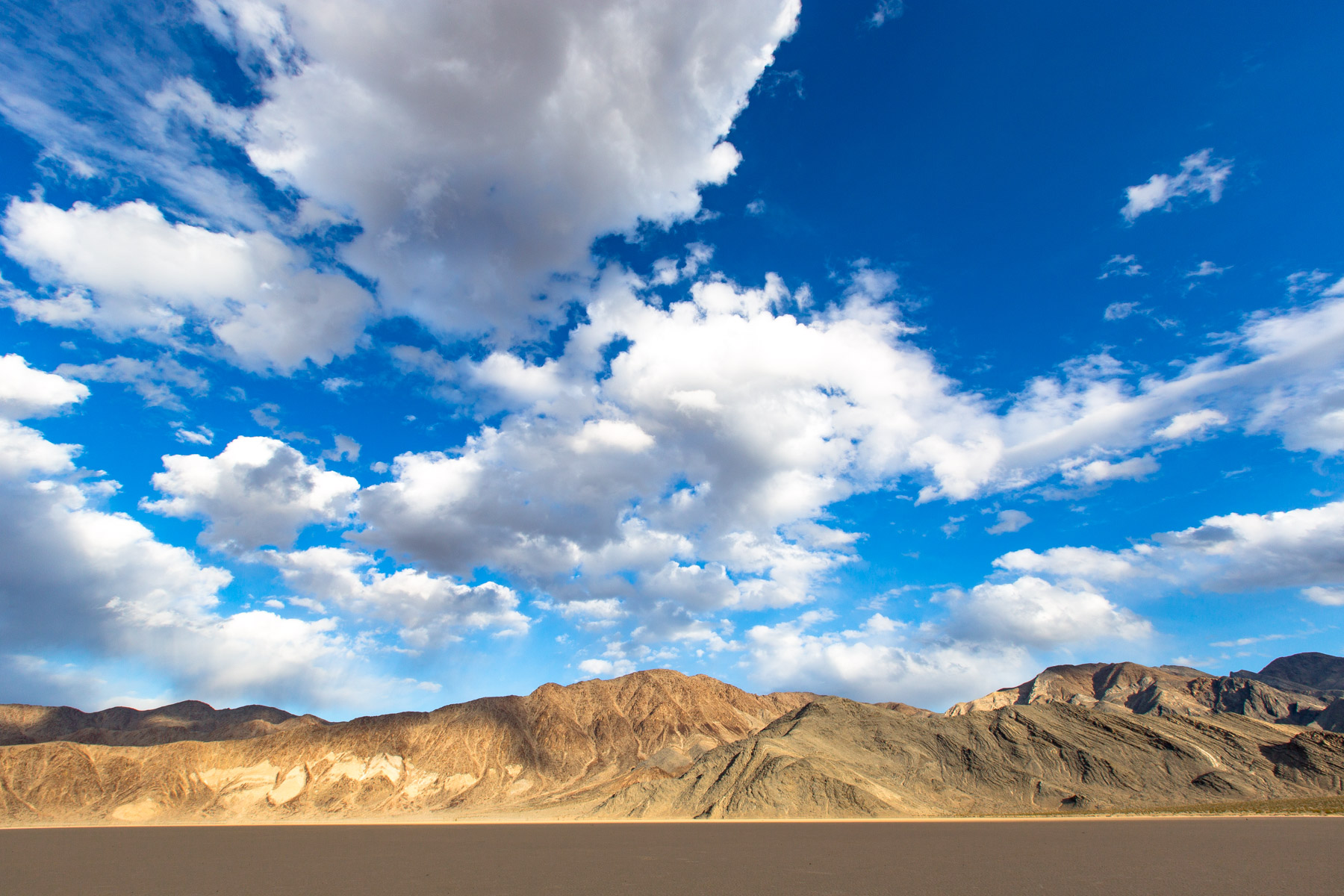
Look at those clouds!!
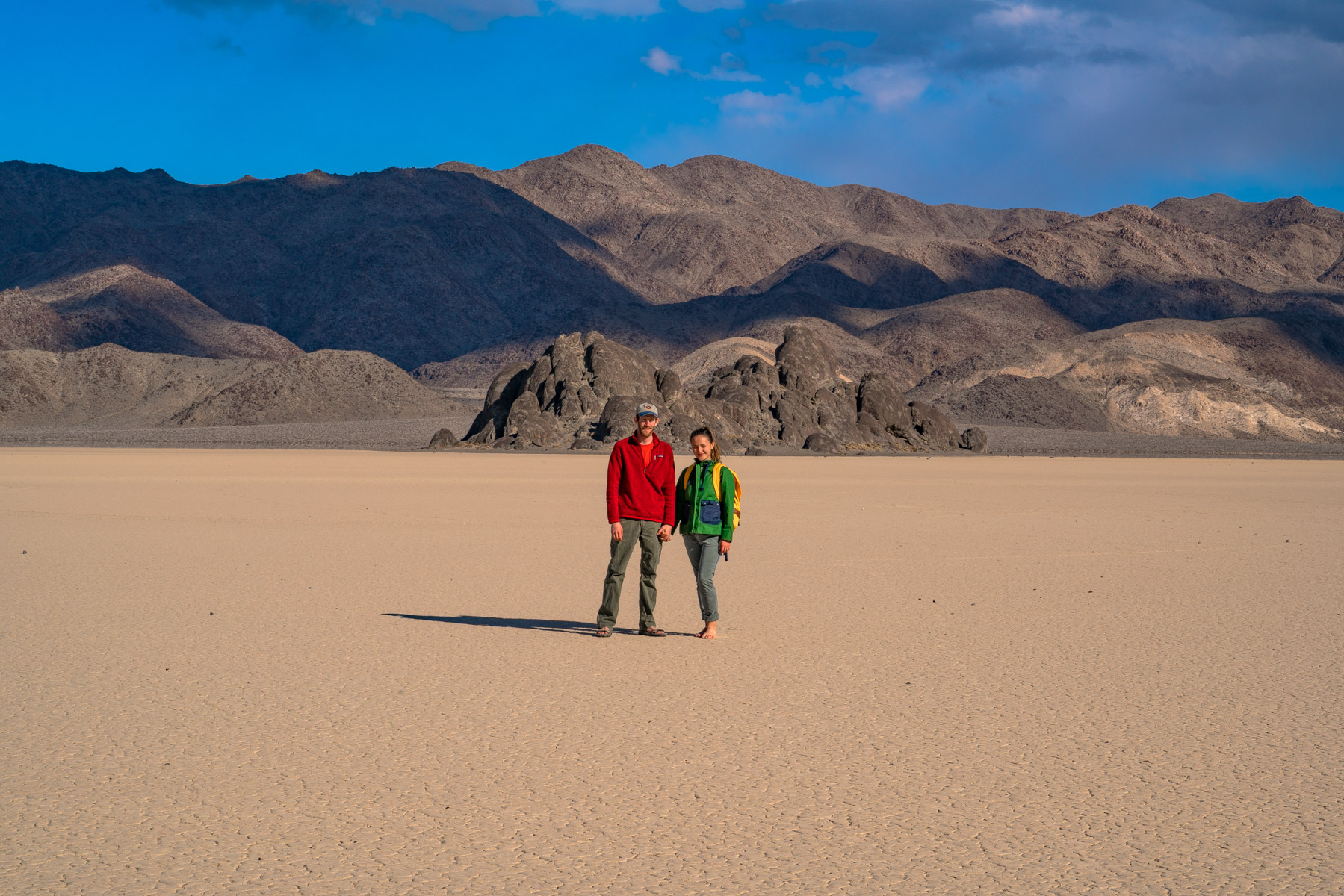
#5. Lee Flat
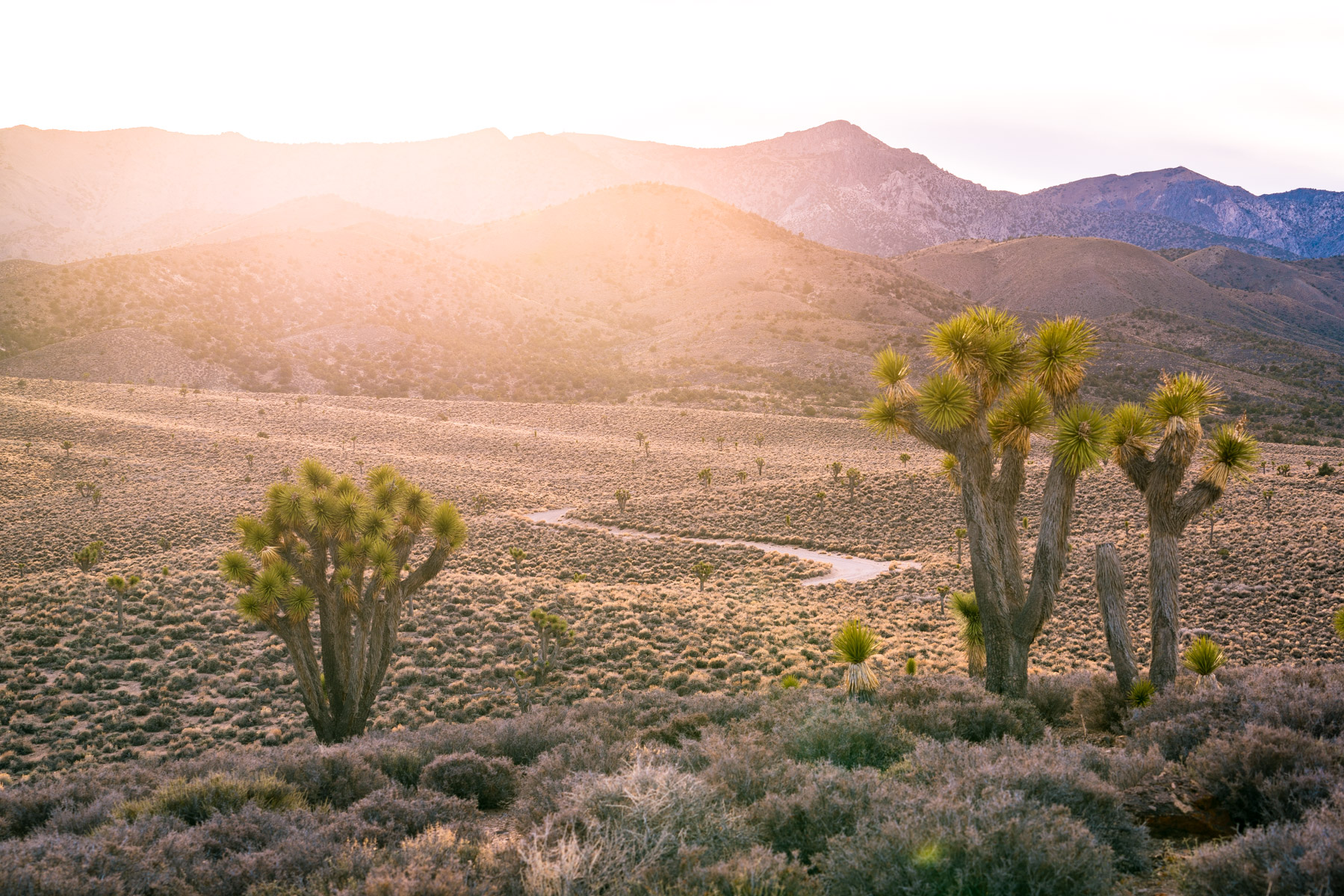
Will has been to Joshua Tree National Park and said that some of the mature trees in the Lee Flat area were larger than the ones in Joshua Tree. Wowza!
Lee Flat sits at about 5,000 feet elevation, which makes it noticeably cooler than the valley floor. The Joshua Trees here are some of the most photogenic in California, especially during golden hour when the gnarled branches catch the warm light.
Also, heads up! We had to cut our photo shoot short due to a large colony of (possibly) Africanized bees (known as killer bees). These are extremely dangerous and defensive bees that relentlessly attack perceived threats in large swarms.
So be careful in the Lee Flat area around sunrise; they disappeared as soon as the sun went down. I know that sounds scary, but I hope it doesn’t keep you from visiting this area/park; just want to make sure you’re aware of something we noticed.
Never a dull moment with my best guy, I tell you what. 😉
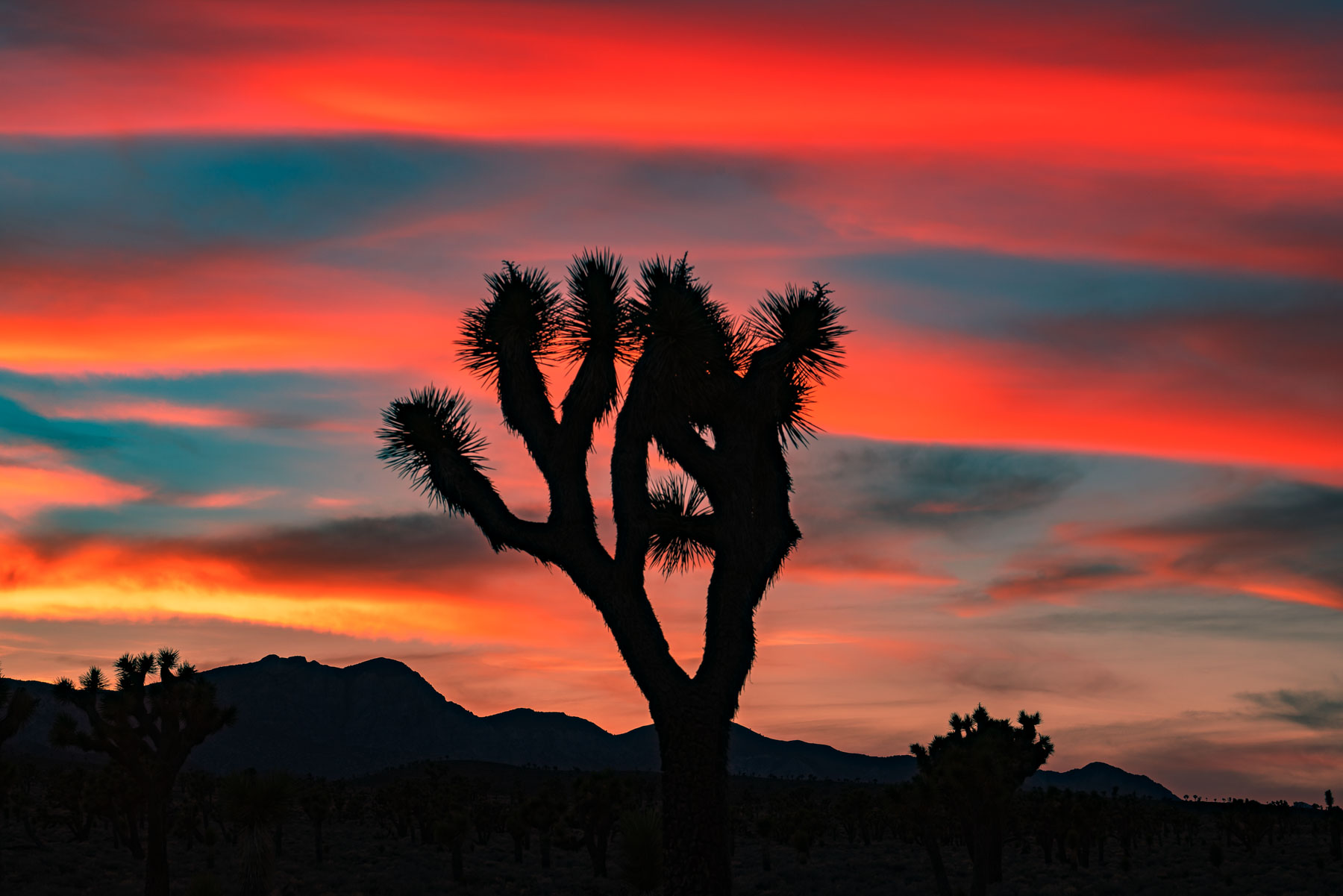
#6. Charcoal Kilns

These ten beehive shaped kilns are so cool! They stand about 25 feet high and are believed to be the best known surviving kilns found in the western states. These kilns are at a higher elevation and when we got to the top, we were freezing!
The kilns were built in 1877 to process charcoal for nearby silver and lead smelters. Each one could hold 42 cords of pinyon pine wood. Walking inside them is surprisingly eerie and the acoustics are wild. Clap your hands and the sound bounces around for a solid few seconds.
Will planned on illuminating the kilns for a night shot and I was teasing him by saying, “how cool would it be if someone was already illuminating the kilns and they left the set up for you to use?” And that, my friends, is exactly what happened.
#7. Aguereberry Point
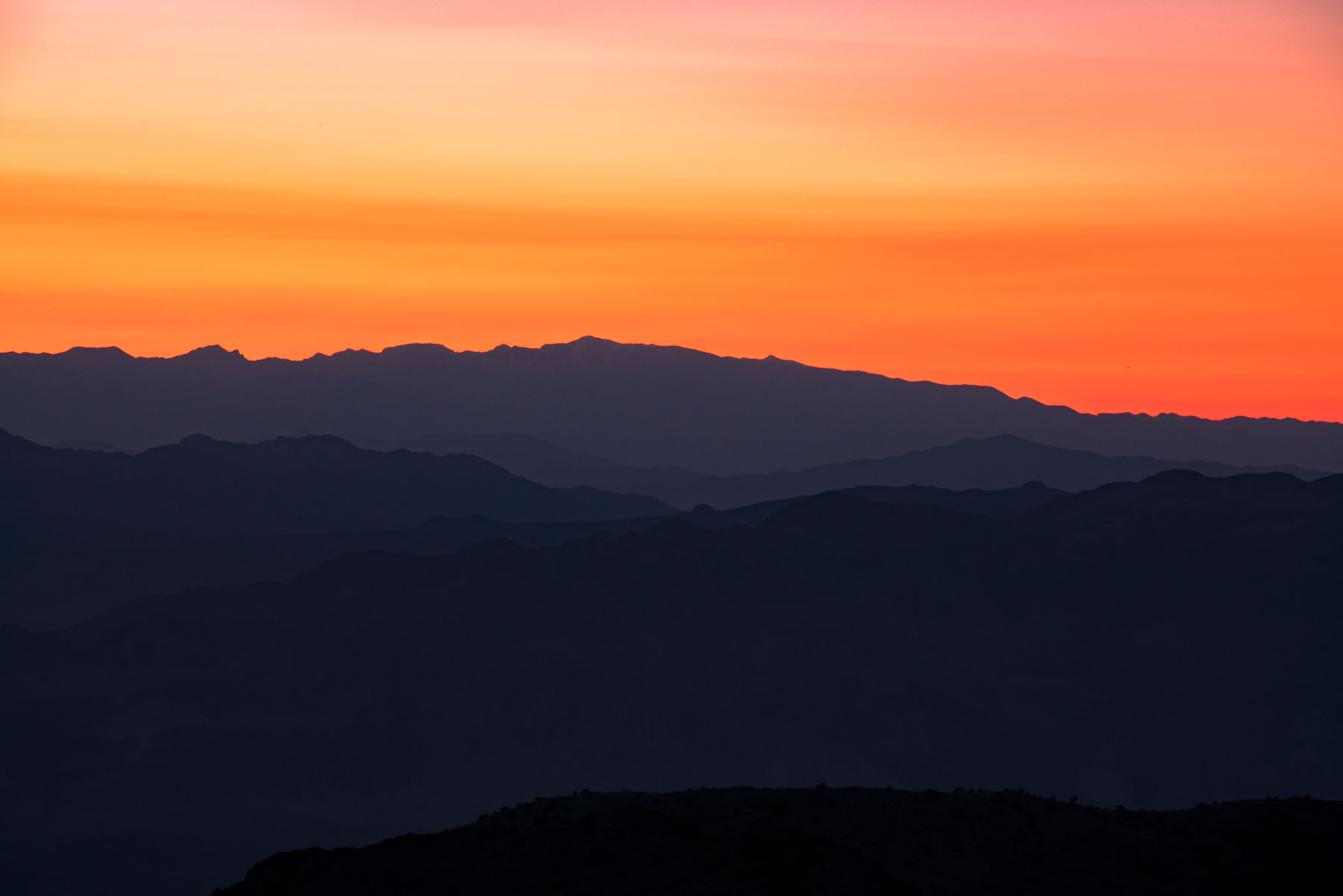
We weren’t entirely sure if we wanted to visit Aguereberry Point originally. We did tons of research prior to our trip and Aguereberry Point came up here and there but it didn’t have jaw-dropping reviews. And you know us, if the jaws aren’t dropping, we’re not stopping.
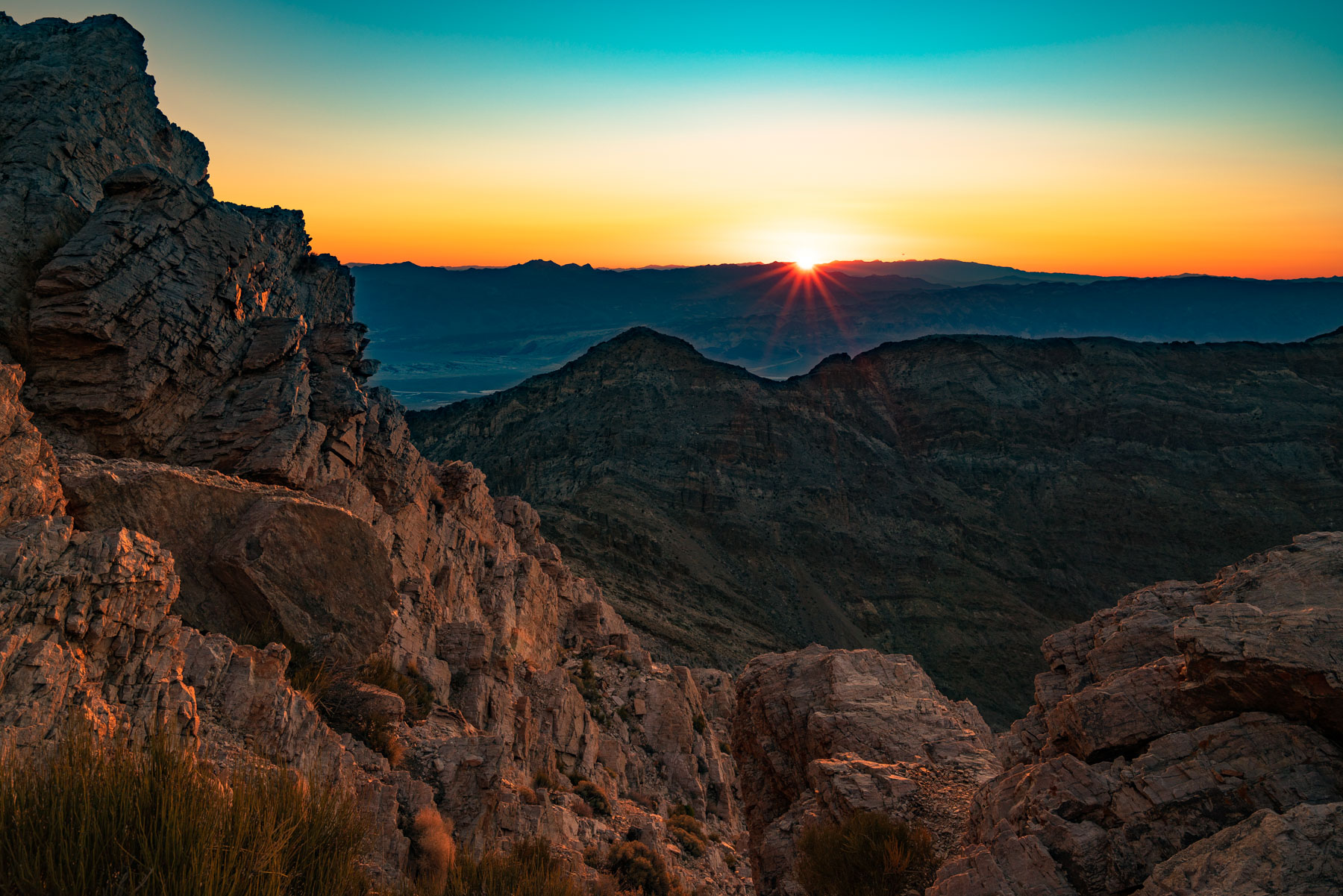
We were taken aback by the beautiful sunrise we caught here. It was absolutely dramatic. Will deemed this the best spot for sunrises in the park. Take it for what it’s worth.
The viewpoint sits at 6,433 feet and gives you a panoramic view of the valley floor, Badwater Basin and Telescope Peak. The 6-mile dirt road to the point is rough but usually passable in high-clearance vehicles. Some people attempt it in regular cars, but I wouldn’t recommend it after seeing the condition of the road.
We had the time of our lives in Death Valley National Park. In fact, it is now in my top 5 favorite national parks. If you’re planning your own trip, I’d suggest budgeting at least 3 days for the 4WD portions alone. These remote spots take serious driving time to reach and you don’t want to rush through them.
Further Reading
- 17+ Best Things to Do in Death Valley National Park
- The 10 Best Hikes in Death Valley National Park
- Exploring Eureka Sand Dunes
- Visiting Death Valley Without 4WD
I hope you enjoyed the photos.
Until next time,
Antonina


Leave a Reply