Five hundred years ago people crossed half of Europe to see Venice, and then went home and lied about it because no words held. I understand them now. My husband and I have been three times, and every single visit I have stood on some anonymous little bridge over a green canal, watched the light bounce off a wall the color of dried apricots, and thought the same dumb thought. There is no other city like this on Earth. Not one.
In This Post
And yet “is Venice worth it” is one of the most-searched questions about any place in Italy. Which tells you something. People are nervous. They have heard it is a tourist trap, a theme park, a floating pickpocket convention. They have heard about the crowds, the prices, and now the fee at the door. So they ask the internet for permission before they book.
Here is my honest answer, and I will not soften it. Yes. Venice is worth it. And the people asking the question, the careful ones, the ones who researched instead of just showing up, are the exact people who will love it most. Let me show you why, and I will not skip the annoying parts.

First, the thing everyone is worried about. The fee.
Let me get the newest headache out of the way, because it is the reason a lot of people are hesitating in 2026. Venice now charges a day-tripper access fee, and it is real, and it is expanded this year.
Here is the whole truth, no drama. The fee is €5 per person if you register more than four days before you arrive, and €10 if you register closer than that. It applies on 60 peak days in 2026, running from April 3 through July 26, mostly Fridays, Saturdays, and Sundays, plus a few full weeks around the holidays. It is only in effect from 8:30 in the morning until 4:00 in the afternoon. You register online, you get a QR code, and someone may ask to see it on a random check.
Now the part the fee announcements bury in the fine print. If you sleep in Venice even one night, you do not pay it. Overnight guests are exempt (you still register, but the charge is zero). Kids under 14 are exempt. So the fee is aimed squarely at the cruise-ship crowd who pour off a boat at 10am, clog the Rialto for four hours, buy a magnet, and leave. It is not really aimed at you, the person planning an actual trip.
My honest take? Five euros to help a drowning city breathe is the least offensive travel expense I can think of. In 2025 the fee ran on 54 days, more than 720,000 people paid it, and it raised around €5.4 million. That is not a scam. That is a city of fewer than 50,000 remaining residents trying to survive more than ten million visitors a year. Pay it and move on. It costs less than a spritz.
The case for yes. Where Venice actually earns it.
People say Venice is a museum. They mean it as an insult. I mean it as the highest possible compliment, because it is a museum you get to live inside for a few days, one with no cars, no scooters, no honking, no lanes. You want to know what a city sounds like without an engine? Come here. The loudest thing you will hear is water slapping stone and someone two canals over laughing at something.

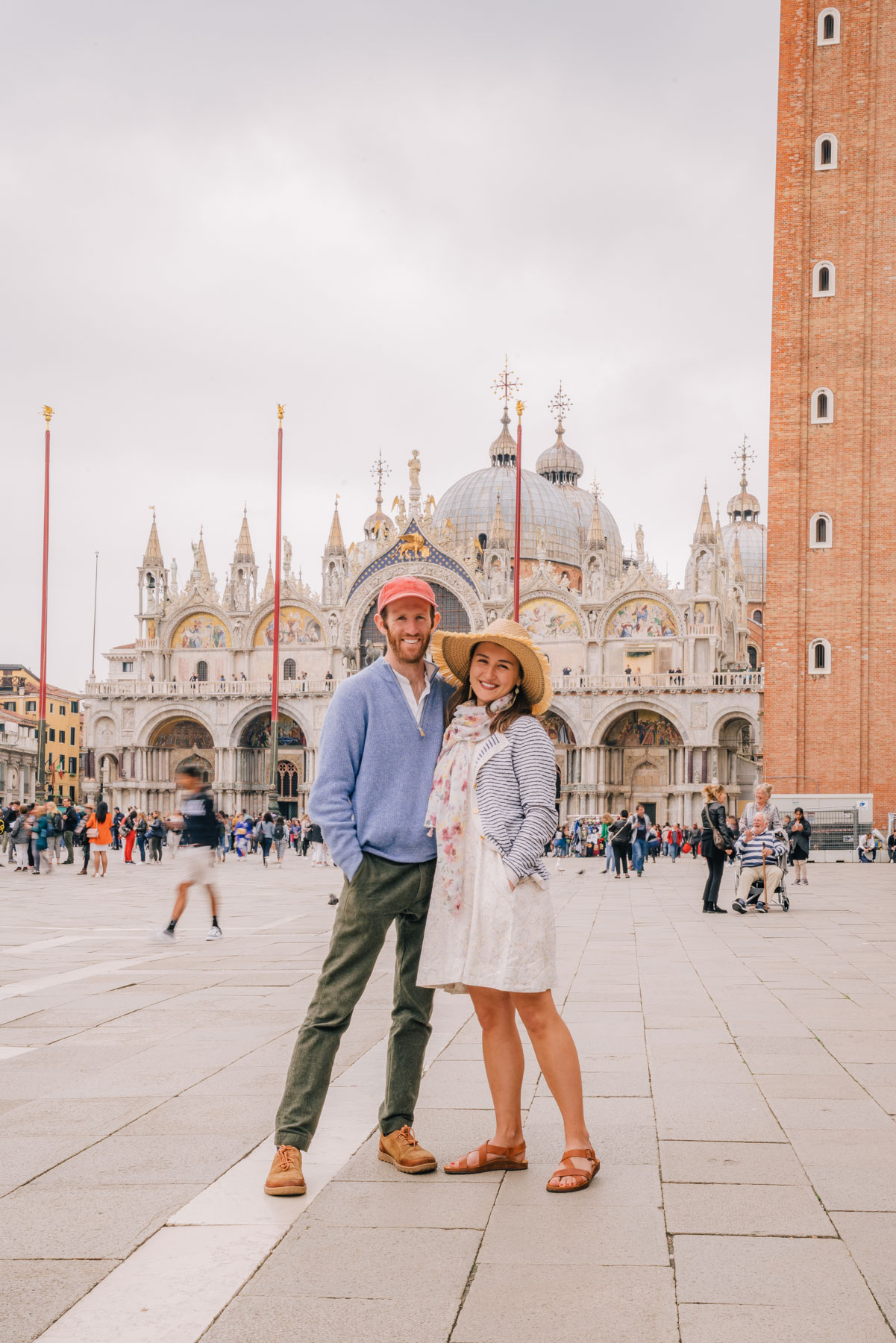
The famous stuff genuinely delivers. St. Mark’s Basilica is not overrated. Standing under those gold mosaic ceilings, with the whole domed roof glowing like the inside of a treasure chest, is one of the few sights in Europe that made me go quiet. Basic entry is around €10, and heads up, you can no longer buy a ticket at the door. They ended on-site sales in July 2025, so you book online in advance now, full stop. The Doge’s Palace next door runs about €30 if you book well ahead, more if you dawdle, and it folds in the Correr Museum too. Worth it for the Bridge of Sighs alone, which you cross from the inside, looking out through carved stone at the last free view prisoners ever got.
But the paid sights are not why Venice has my heart. The free stuff is. Getting lost is the entire point. Pick a direction away from the yellow signs pointing to San Marco and just walk. You will hit a dead end at a canal. You will cross a bridge with no name. You will find a square with one old church, one cat, and zero tourists, and you will feel like you found something nobody else knows about. You did not. But it feels that way, and that feeling is the whole reason to come.

Eat like a Venetian and the whole city changes
Here is where most people get Venice wrong and then blame Venice. They sit down at the first restaurant on a main square, order a plate of soggy pasta for €28, get a “cover charge” slapped on, and go home telling everyone the food is a rip-off. Foolish. That is not Venetian food. That is a trap wearing a tablecloth.
The real way to eat here is cicchetti. These are little Venetian bar snacks, a slice of bread piled with creamy salt cod, or a fried meatball, or half a soft-boiled egg with an anchovy, and they cost roughly €1.50 to €3 each. You eat them standing up in a bacaro, which is a tiny wine bar, washed down with an ombra, a small glass of local wine that runs €2.50 to €4. You do not sit. You do not linger. You have two or three, you drift to the next bacaro, you have two or three more. A spritz, that neon-orange Venetian invention, is usually €4 to €6.
My husband and I spent one whole evening doing exactly this along the Fondamenta della Misericordia in Cannaregio, hopping bacaro to bacaro with the university students and a lot of actual Venetians, and it was the best meal of the trip and one of the cheapest. If you go to Venice and never step into a bacaro, you did not really go to Venice. You went to a postcard of it.

Go see the Rialto Market in the morning while you are at it. The fish market is a proper working spectacle, glistening piles of lagoon seafood and vendors shouting, though note it is closed on Mondays, so do not schedule your one market morning then. Ask me how I know.
The honest downsides, because I promised
I will not pretend Venice is flawless. It is not. Here is where it is genuinely hard.
The crowds around San Marco and the Rialto Bridge between 11am and 4pm are brutal. Shoulder-to-shoulder, selfie-stick, cannot-move brutal. On a summer day, tourists can outnumber the residents who actually live in the historic center. It is the single biggest reason people leave disappointed, and it is completely avoidable if you are willing to be up early.
It is not cheap. A single ride on the vaporetto, the public water bus, is €9.50 and it is good for 75 minutes, which stings the first time you tap your card. If you are riding more than twice in a day, buy a day pass for around €25 and save yourself the math. And honestly, most of central Venice is faster on foot anyway.
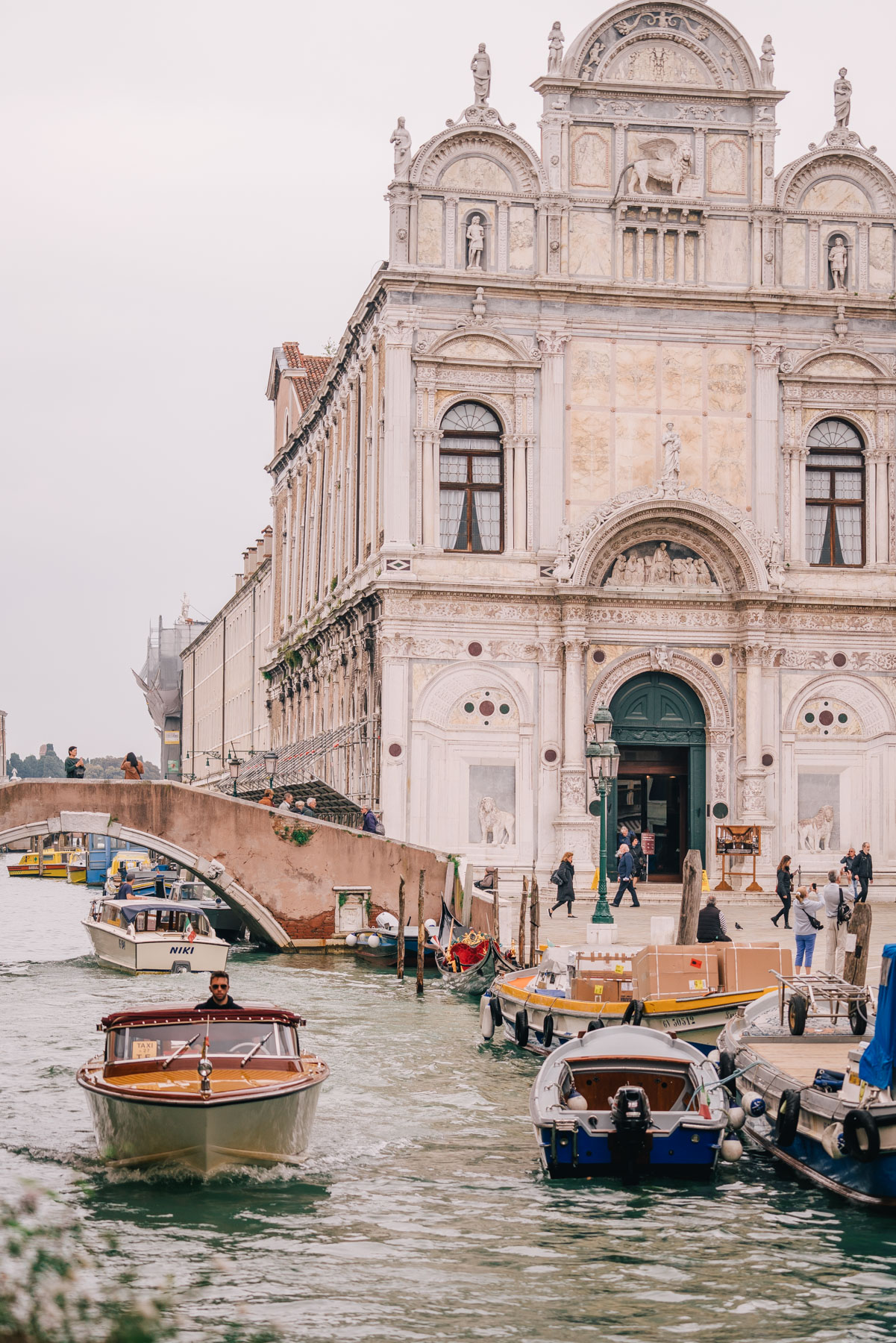
And the thing I want to skip and tell you to skip too? The gondola ride. There, I said it. A standard gondola is a flat rate that climbs even higher after sunset, for roughly half an hour of gliding while a stranger occasionally points at a building. It is lovely for about four minutes and then you are just an expensive passenger. If a canal ride is a bucket-list thing for you, do it and be happy. But if you are on any kind of budget, take the number 1 vaporetto down the entire Grand Canal at dusk instead. Same water, same palaces sliding by, one two-hundredth of the price. Grab a spot at the front railing. It is the best cheap view in Italy.
So who is Venice actually worth it for?
Venice is worth it for the person who wants to walk. Who does not need a nightclub or a beach or a checklist of thirty sights. Who is happy to get pleasantly lost, eat standing up at a bar, wake up early, and let a strange, sinking, half-abandoned, absurdly beautiful city work on them slowly.

If that is you, and if you found this by carefully typing “is Venice worth it” into a search bar, then it is absolutely you, book the trip. Sleep at least one night on the islands so you skip the fee and, more importantly, so you get the city after the day-trippers leave. Venice at 8pm, when the crowds have drained back to their ships and the light goes gold and it is just you and the locals and the water, is the thing everybody who says “it’s overrated” never actually saw. They came at noon and left at three. Do not be them.
Once you have the bug, pair Venice with a little more of the north. We used it as a jumping-off point for the Dolomites, and if you want to see how strange and un-Italian northern Italy can get, my guide to Bolzano as the perfect day trip is a good next step. For a deeper list of what to actually do once you are in the city, I put together ten adventurous things to do in Venice that go well past San Marco. And if you are building a bigger Italy loop, my breakdown of Florence in two days and my honest Rome versus Florence comparison will help you decide where the rest of your week goes. For a wider view, here is the best time to visit Rome if Venice is just the first stop.

Is Venice worth it? It is worth it the way very few places on this planet are worth it, the kind of worth-it that ruins other cities for you a little bit. Yes, there are crowds. Yes, there is a fee now. Yes, it costs more than the sleepy town next door. Pay it, dodge the noon rush, eat standing up, and stay the night. Venice will hold up its end. It has been doing it for a thousand years.
Cheers!
Antonina
Newest on Italy
- 10 Mistakes to Avoid in Venice Aug 2026
- Day Trips From Rome (8 Worth Taking and 3 to Skip) Aug 2026
- Where to Eat in Rome (A Neighborhood-by-Neighborhood Food Guide) Aug 2026
- Florence in 2 Days (What to See and Where to Eat) Jul 2026
- Rome on a Budget (It’s Cheaper Than You Think) Jul 2026
- Best Time to Visit Rome (Season by Season) Jun 2026



Leave a Reply