Wearing the Wrong Shoes
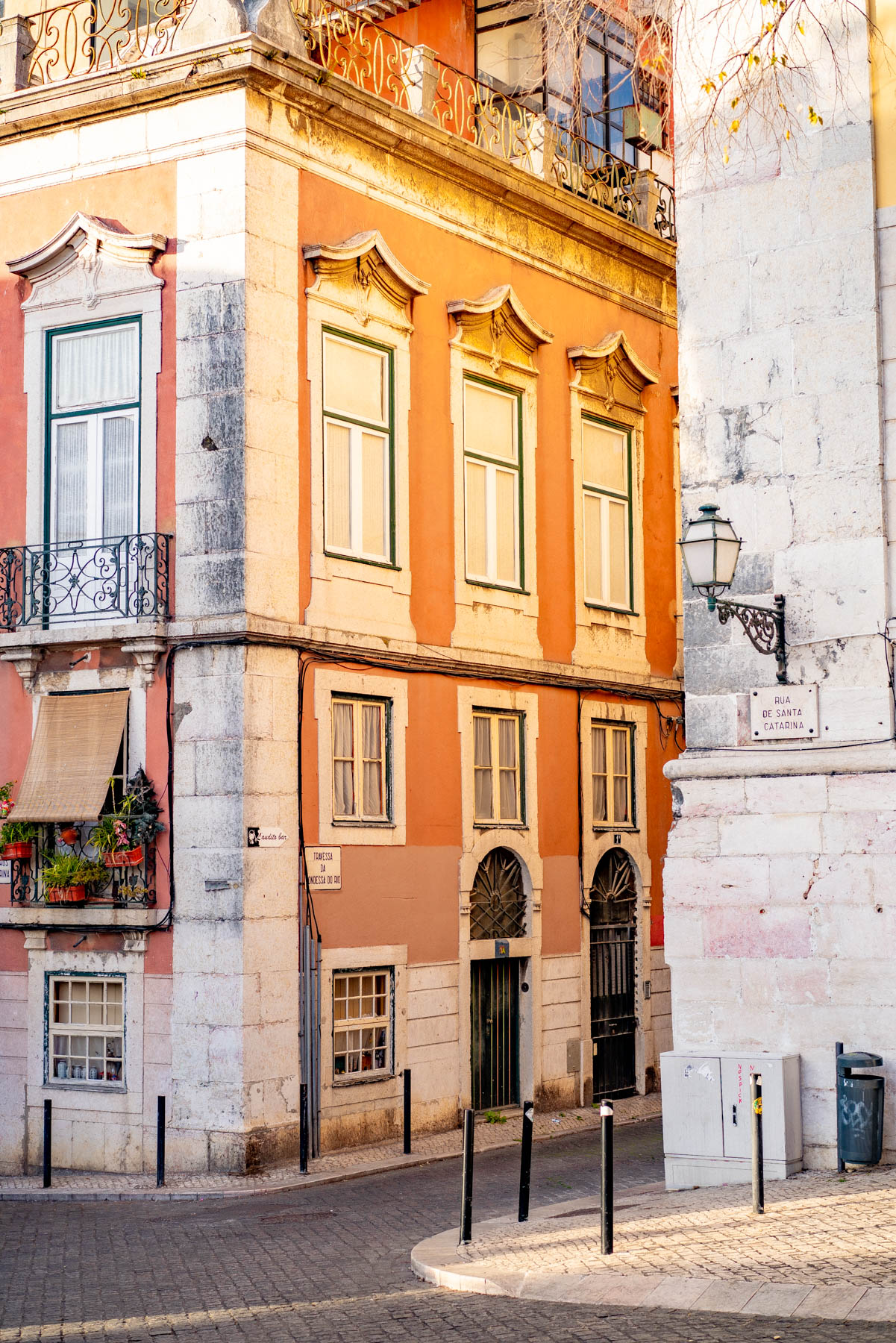
I need you to hear me on this one. Lisbon is built on seven hills. This is not a cute fun fact they put on postcards for decoration. Some of these streets are at a 15-20% grade, which doesn’t sound like much until you’re climbing one after lunch and your calves are staging a mutiny.

Taking Tram 28
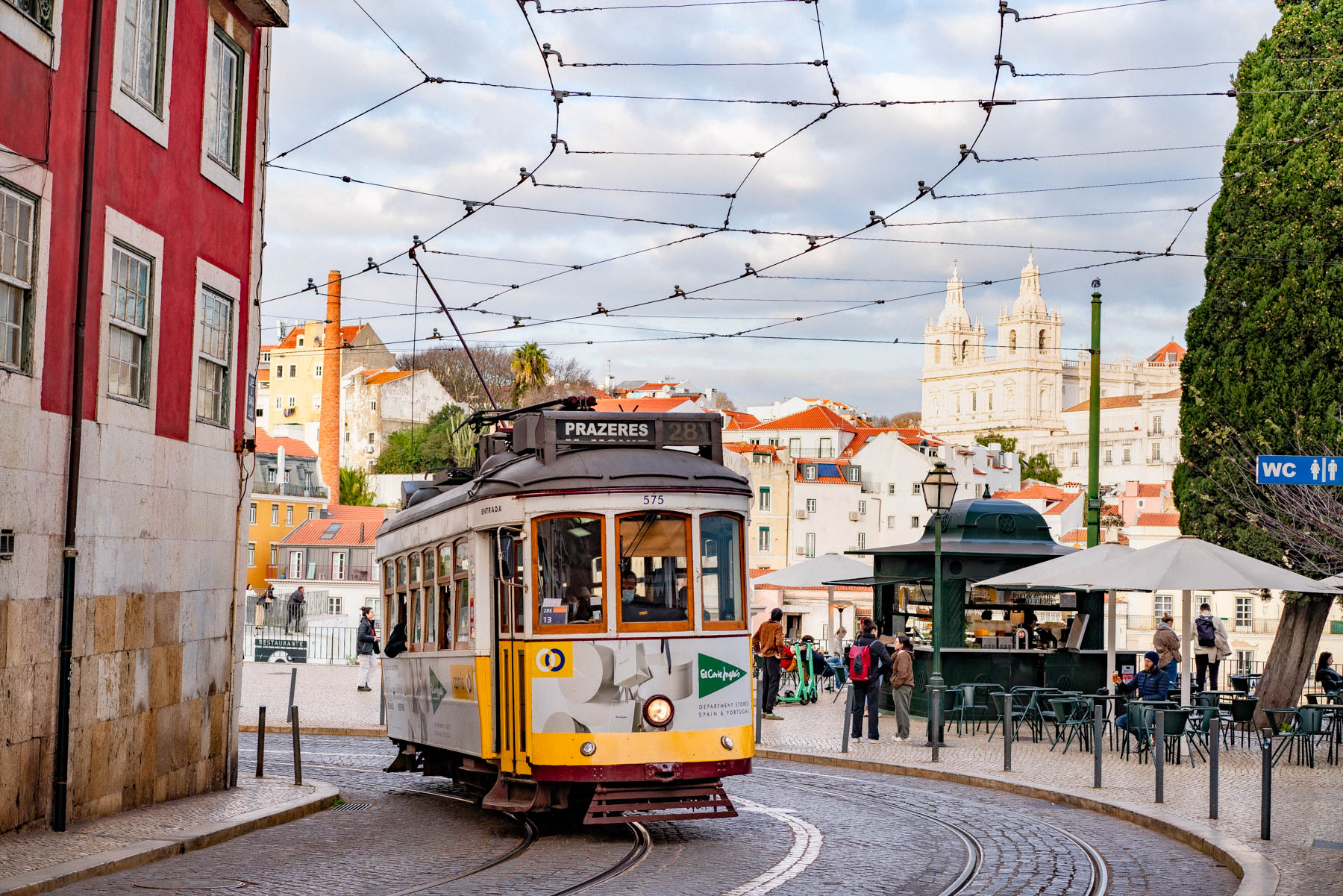
Every single Lisbon guide will tell you to ride the famous Tram 28 through Alfama and Graça. Many of those guides were written by people who have never actually ridden Tram 28 in the last five years. Here’s what it’s actually like now. You wait in a line for 30 to 45 minutes. You squeeze into a tiny wooden tram car that fits maybe 50 people but currently contains 80. You stand with your face pressed against a stranger’s backpack while the tram lurches through streets you can’t see because there are too many people in the way. Meanwhile, pickpockets are working the crowd because this is literally the most famous pickpocketing spot in Portugal.

Going to Belém on a Monday
This one still stings. We took the train out to Belém on our second day in Lisbon, which happened to be a Monday. Walked up to Jerónimos Monastery. Closed. Walked to the Tower of Belém. Closed. National Coach Museum. Closed. MAAT. Closed. The Archaeology Museum. You guessed it.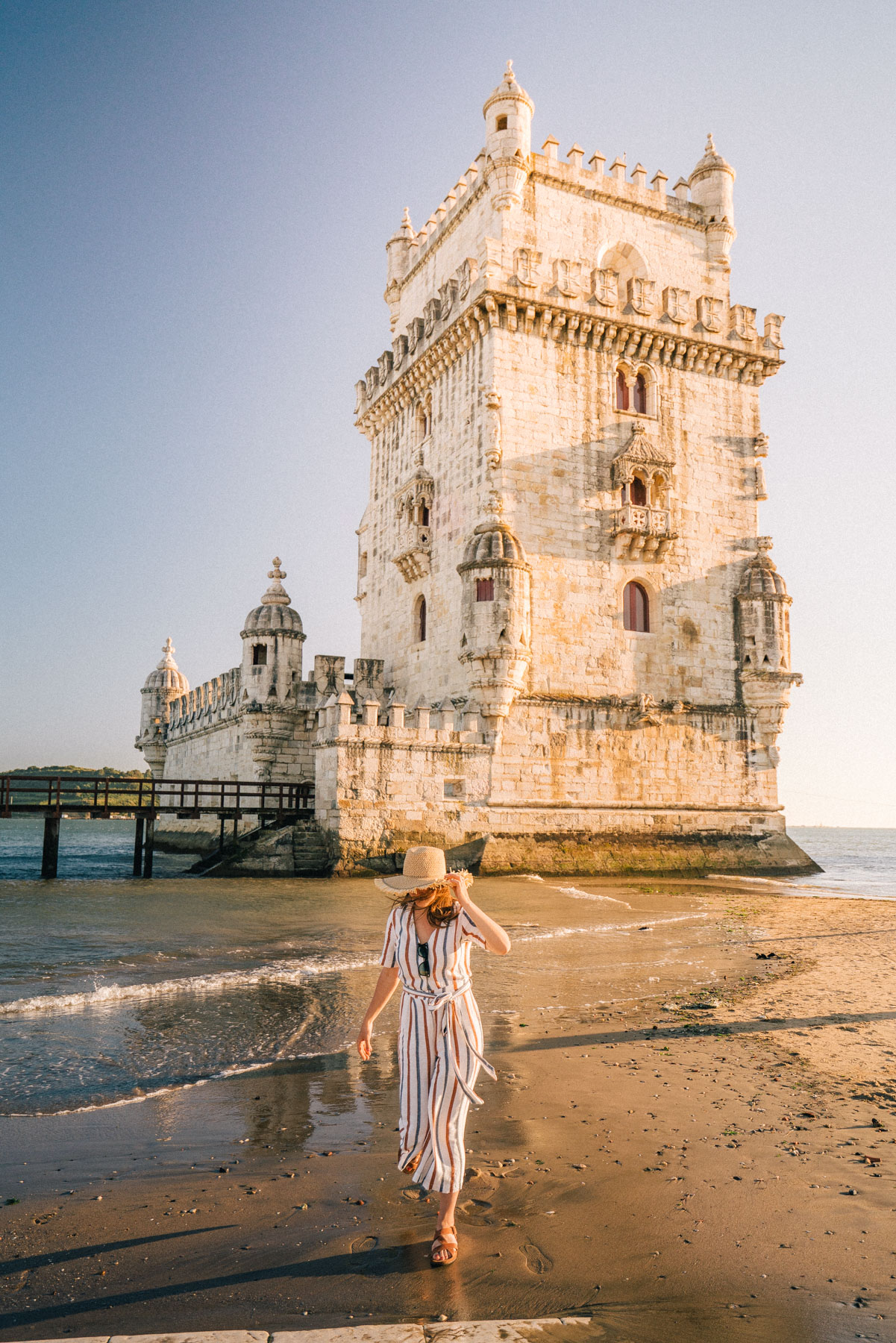
Eating Near Praça do Comércio
If a restaurant has laminated menus in six languages, photos of every dish, and a guy standing outside waving you in like he’s directing aircraft, walk away. Walk at least two blocks in any direction. Quality improves dramatically. The tourist restaurants around Praça do Comércio and Rossio exist to serve mediocre food at inflated prices to people who won’t be back to complain. They’re not *terrible*. They’re just the worst version of Portuguese food you can eat.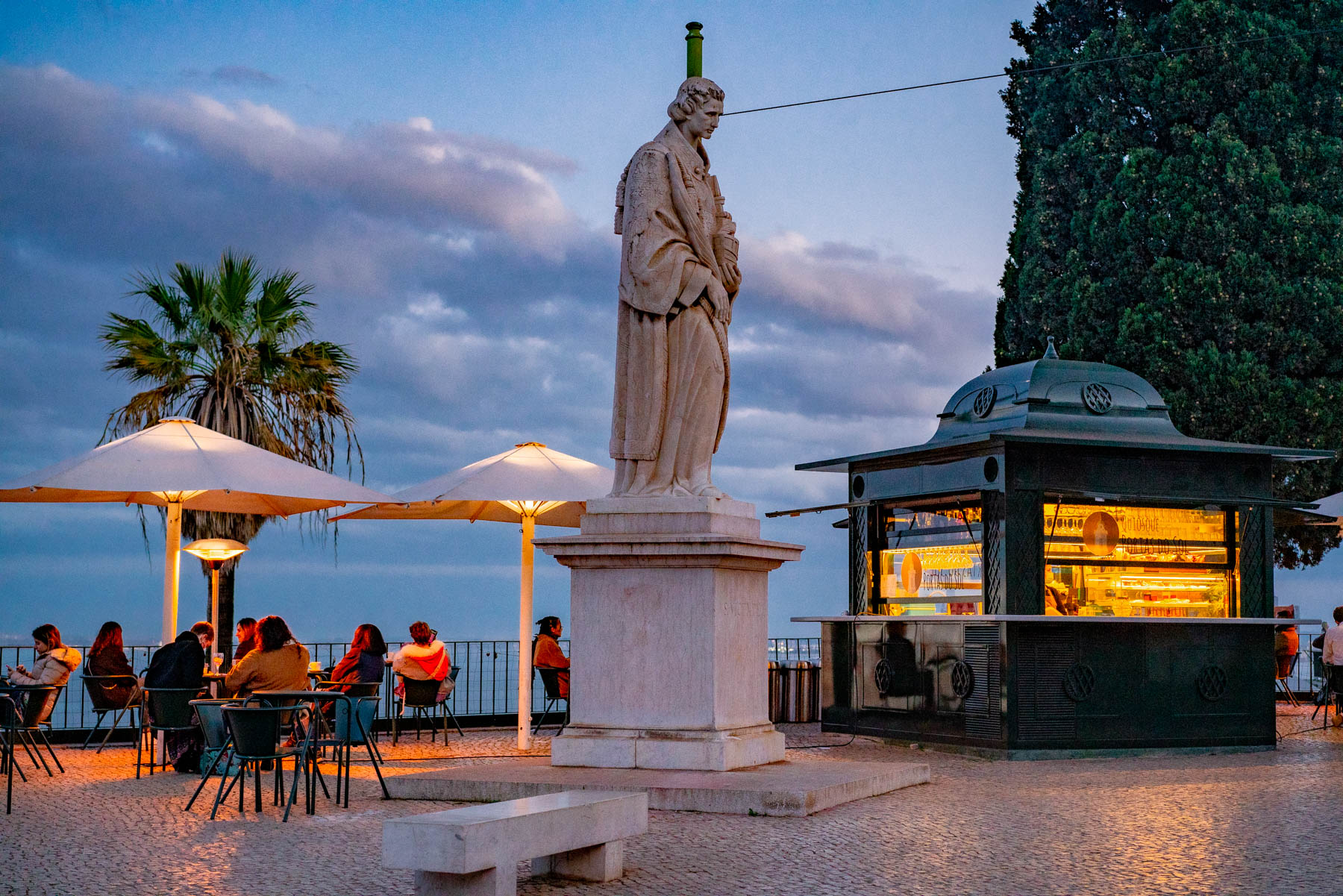


Only Eating Pastéis de Nata
Look, I get it. They’re perfect. A warm flaky shell with creamy egg custard and a little char on top. You have one and immediately want four more. Pastéis de Belém is the famous spot (the original recipe since 1837, allegedly). Manteigaria might actually be better though. Theirs come out warmer, crispier, and you can watch them being made through the glass. Both are great. The “which one is best” debate is honestly a tourist trap in itself because they’re *all* good. Every bakery in Lisbon makes a decent pastel de nata. But Portugal has so many pastries beyond the nata and most visitors never try them. Travesseiros from Sintra are these pillow-shaped pastries filled with almond cream that are absolutely worth the trip. Queijadas are little cheese tarts that vary by region. Bolo de arroz is a fluffy rice flour muffin that Portuguese people eat for breakfast and tourists somehow never discover.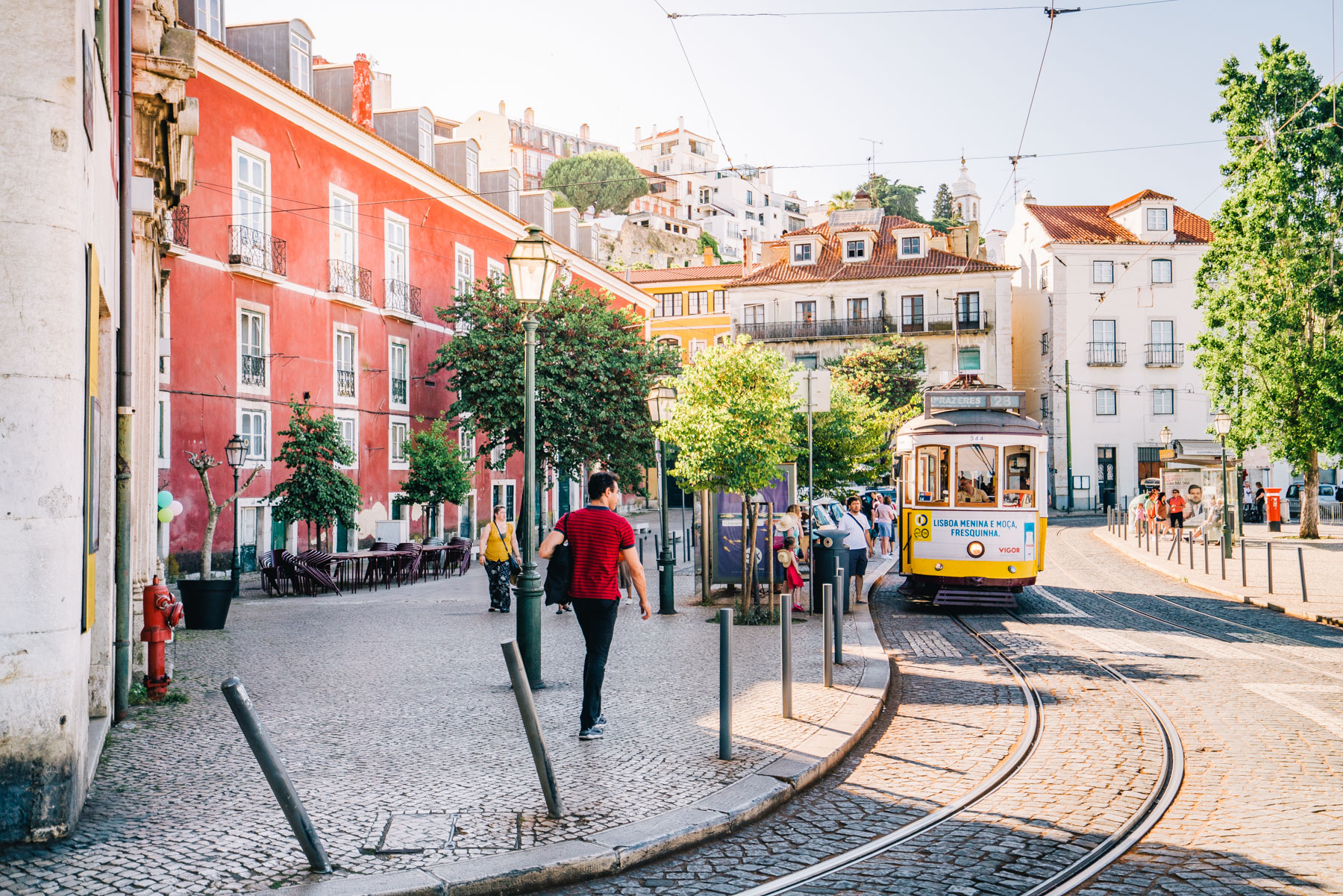

Taking a Taxi From the Airport
Lisbon taxis have a long and well-documented history of creative pricing for tourists. Rigged meters, conveniently broken meters, scenic routes through neighborhoods nowhere near your hotel. It’s gotten better in recent years but it’s still a gamble. The metro Red Line runs directly from the airport to the city center in about 20 minutes. It costs under €2. That’s it. That’s the whole tip. If you prefer door-to-door service, Uber and Bolt both work great in Lisbon and fares are transparent. Airport to Baixa typically runs €8-12 depending on traffic. No meter games, no route debates.
Paying in Your Home Currency
This one applies everywhere in Europe but it’s especially common in Lisbon because the card machines default to asking you. When the payment terminal says “Pay in EUR or USD?” (or GBP, or whatever your home currency is), *always* choose EUR. Always. Choosing your home currency triggers something called dynamic currency conversion, which sounds helpful but actually just means the merchant’s bank sets the exchange rate instead of yours. The markup is typically 3-5%.
Not Booking Sintra Tickets in Advance
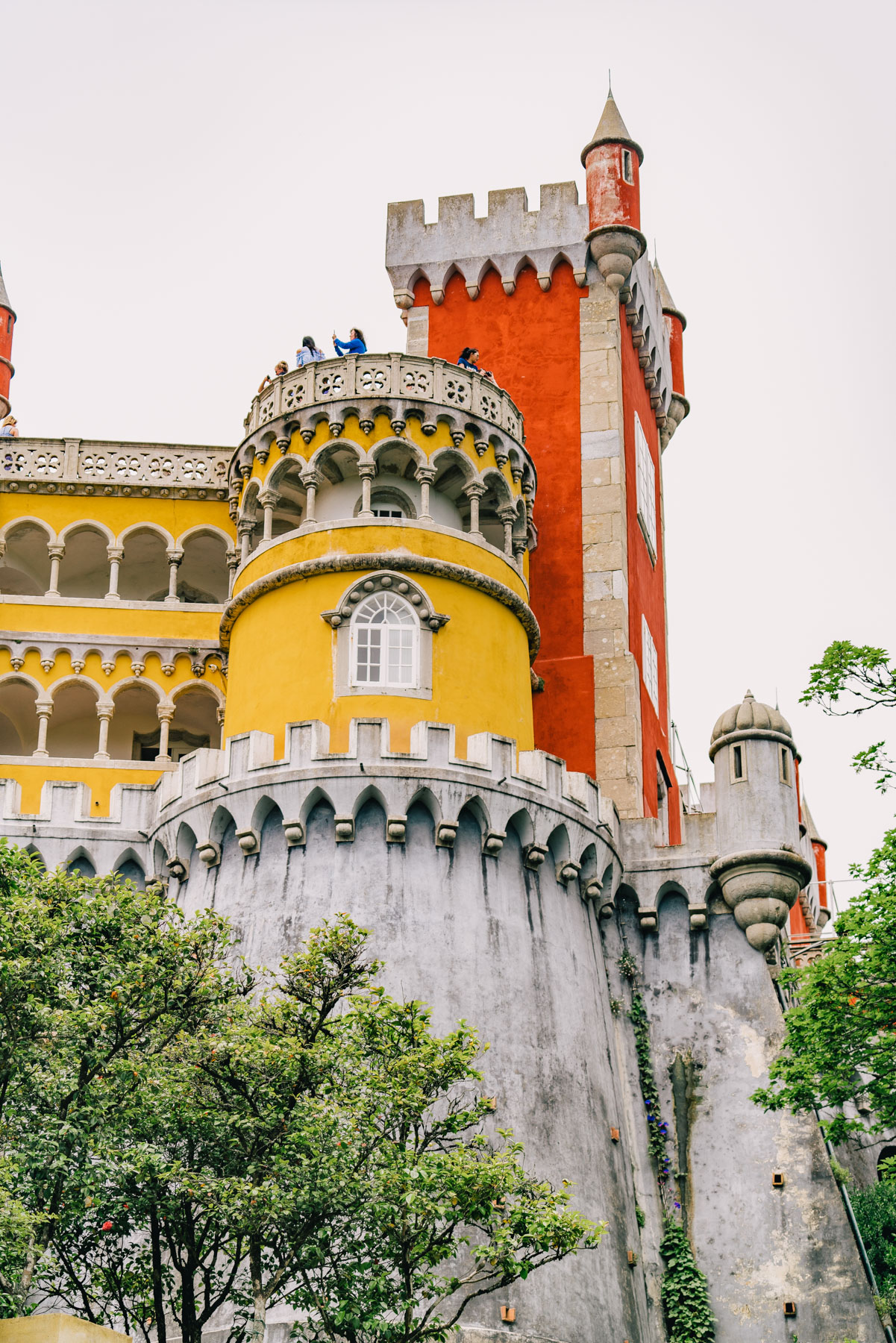
Pena Palace in Sintra uses timed entry tickets that sell out, especially from spring through fall. People drive or take the train 40 minutes out there, arrive at the gate, and get turned away because every time slot for the day is gone. This is not a rare occurrence. It happens daily in peak season.
Skipping the Real Neighborhoods
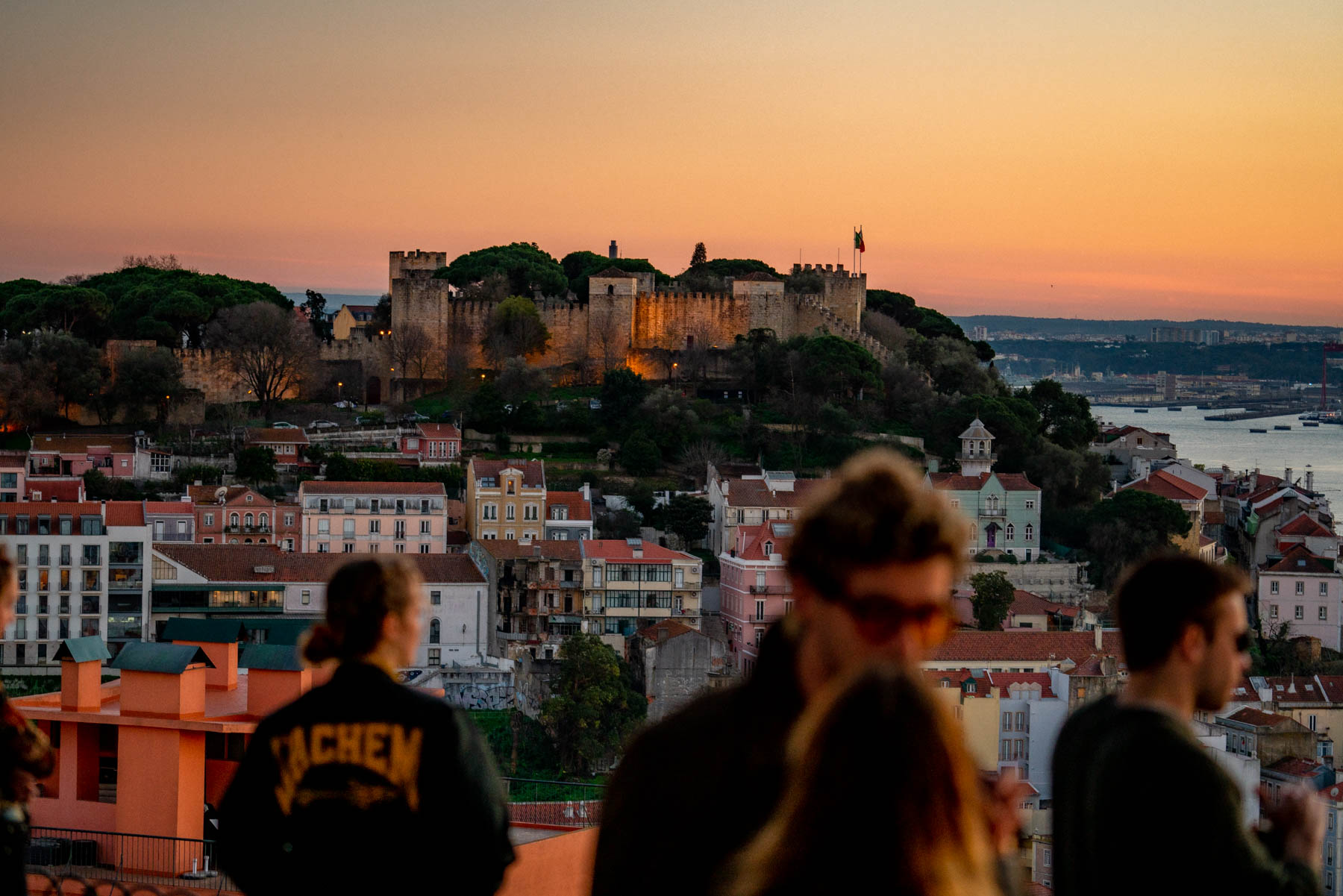
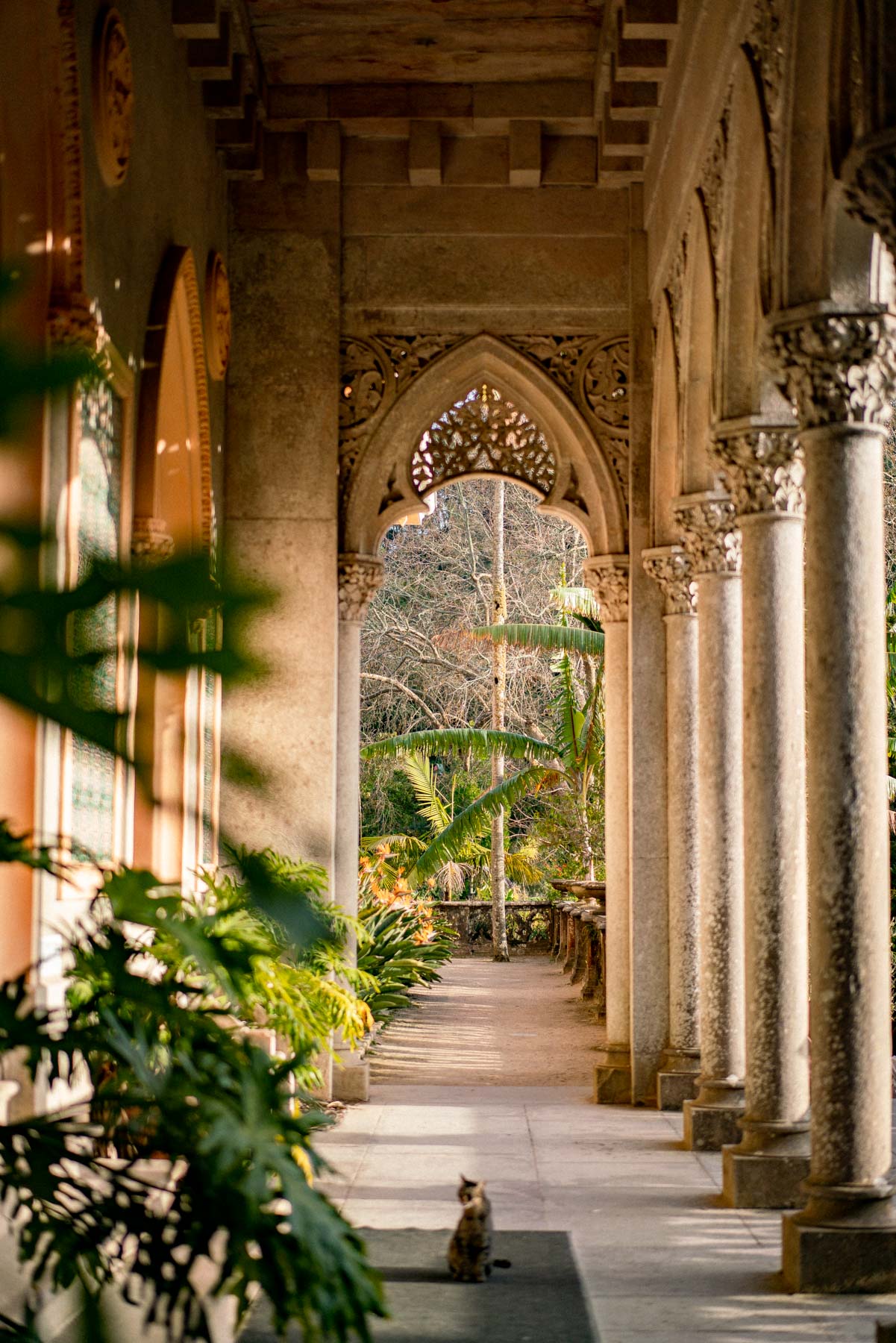
Most tourists stick to Alfama, Baixa, and Chiado. Which are perfectly fine areas. Alfama is charming, Baixa is convenient, Chiado has good shopping. But they’re the tourist version of Lisbon, and the neighborhoods where the city actually *lives* are far more interesting. Graça is right above Alfama but feels completely different. Authentic, residential, and home to some of the best best viewpoints in Lisbon without the crowds. Miradouro da Graça and Miradouro da Senhora do Monte are both up here and they’re better than the more famous viewpoints below.
Visiting in August
August in Lisbon is 35°C or higher, the kind of heat that makes sightseeing feel like a punishment. But the bigger problem isn’t the temperature. It’s that many locals leave the city entirely. Neighborhood restaurants close for two to four weeks. The tascas and family-run spots that make Lisbon special just put up a sign and disappear until September. The tourist areas stay packed, but the city loses something. It’s like visiting someone’s apartment when they’re not home.

How many days do you need in Lisbon?
Three days is the sweet spot. You can cover the main neighborhoods, eat your way through the city, and take a day trip to Sintra without feeling like you are on a schedule.
Is Lisbon walkable?
Lisbon is walkable but extremely hilly. Wear solid shoes and be ready for steep cobblestone streets, especially in Alfama. The trams and elevators exist for a reason. Use them.
What should I not do in Lisbon?
Do not eat near the Belem Tower, do not skip Alfama in the evening, and do not ride Tram 28 during peak hours. That tram becomes a sardine can of pickpockets by midmorning.
Is Lisbon cheap compared to other European cities?
It is one of the most affordable capitals in Western Europe. A great meal with wine runs about 15 to 20 euros per person. Hotels have gotten pricier in recent years, but food and drinks remain a bargain.
What is the most common tourist mistake in Lisbon?
Is Lisbon safe for tourists?
Newest on Lisbon
- Lisbon in December Sep 2026
- Lisbon in October (Portugal in the Fall) Sep 2026
- Lisbon on a Budget (Europe’s Most Affordable Capital) Jul 2026
- Best Time to Visit Lisbon (An Honest Month-by-Month Guide) Jun 2026
- Best Lisbon Viewpoints (Miradouros Worth Visiting) Jun 2025
- Where to Stay in Lisbon (5 Best Neighborhoods) Jan 2025



Leave a Reply