I’ve been to Paris eight times now. Eight! And I still remember that first trip like it was yesterday. I stepped off the plane at Charles de Gaulle, got on the wrong RER train, and ended up in a suburb that looked nothing like the movies.
In This Post
That’s the thing about Paris. It rewards you *enormously* if you show up prepared, and it humbles you real quick if you don’t.
This guide is everything I wish someone had told me before my first time in Paris. Not a list of attractions (I have a whole separate post for that). This is the practical, opinionated, slightly bossy advice that will actually make your trip better.
Consider this your cheat sheet from a friend who has been there, done that, and made every possible rookie mistake along the way. Let’s get into it.
Where to Stay (Pick the Right Neighborhood)
Your neighborhood will make or break your first time in Paris. I’m not being dramatic. Stay in the wrong area and you’ll spend half your trip on the Metro just trying to get to the good stuff.
Le Marais is my top pick for first-timers. It’s walkable, it’s charming, the food scene is seriously impressive, and you’re within striking distance of basically everything worth seeing. It also happens to be one of the few neighborhoods where shops and restaurants stay open on Sundays. Trust me, that matters more than you think.
We stayed in Le Marais on our third trip and it completely changed how we experienced the city. Instead of commuting to all the good stuff, we were already *in* the good stuff. Morning croissants from a bakery around the corner, afternoon wine at a sidewalk cafe, evening strolls through cobblestone streets. That’s the Le Marais life.
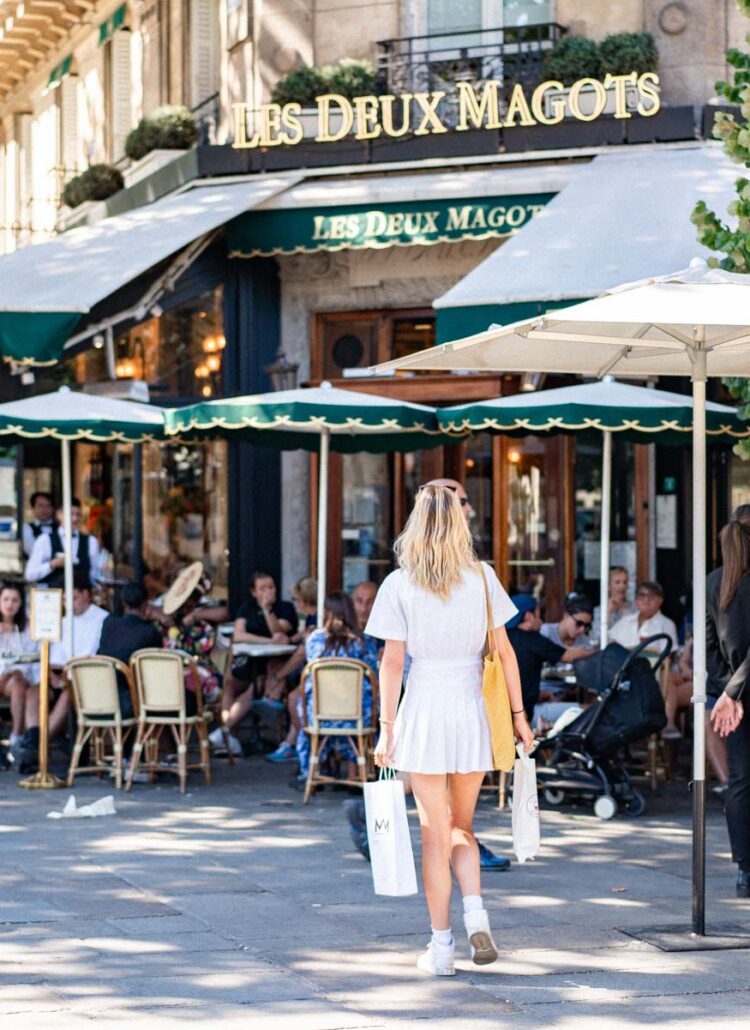
Saint-Germain-des-Prés is the classic Paris experience. Think sidewalk cafes, bookshops, quiet streets that look like they belong in a Woody Allen film. It’s pricier than Le Marais but worth it if you want that old-school Left Bank vibe. The literary history alone is worth the premium. Hemingway, Sartre, and de Beauvoir all hung out here, and honestly the energy hasn’t changed much.
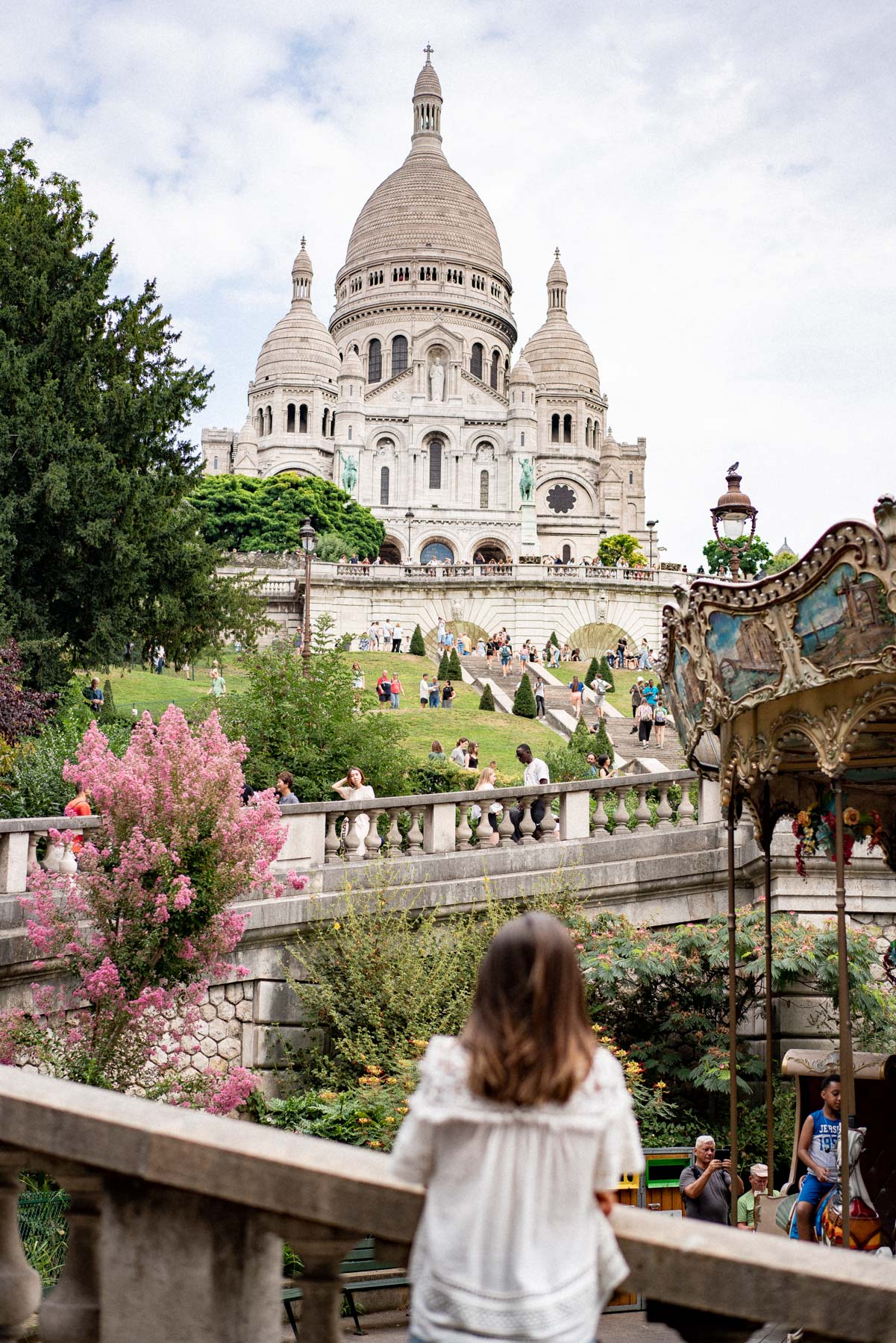
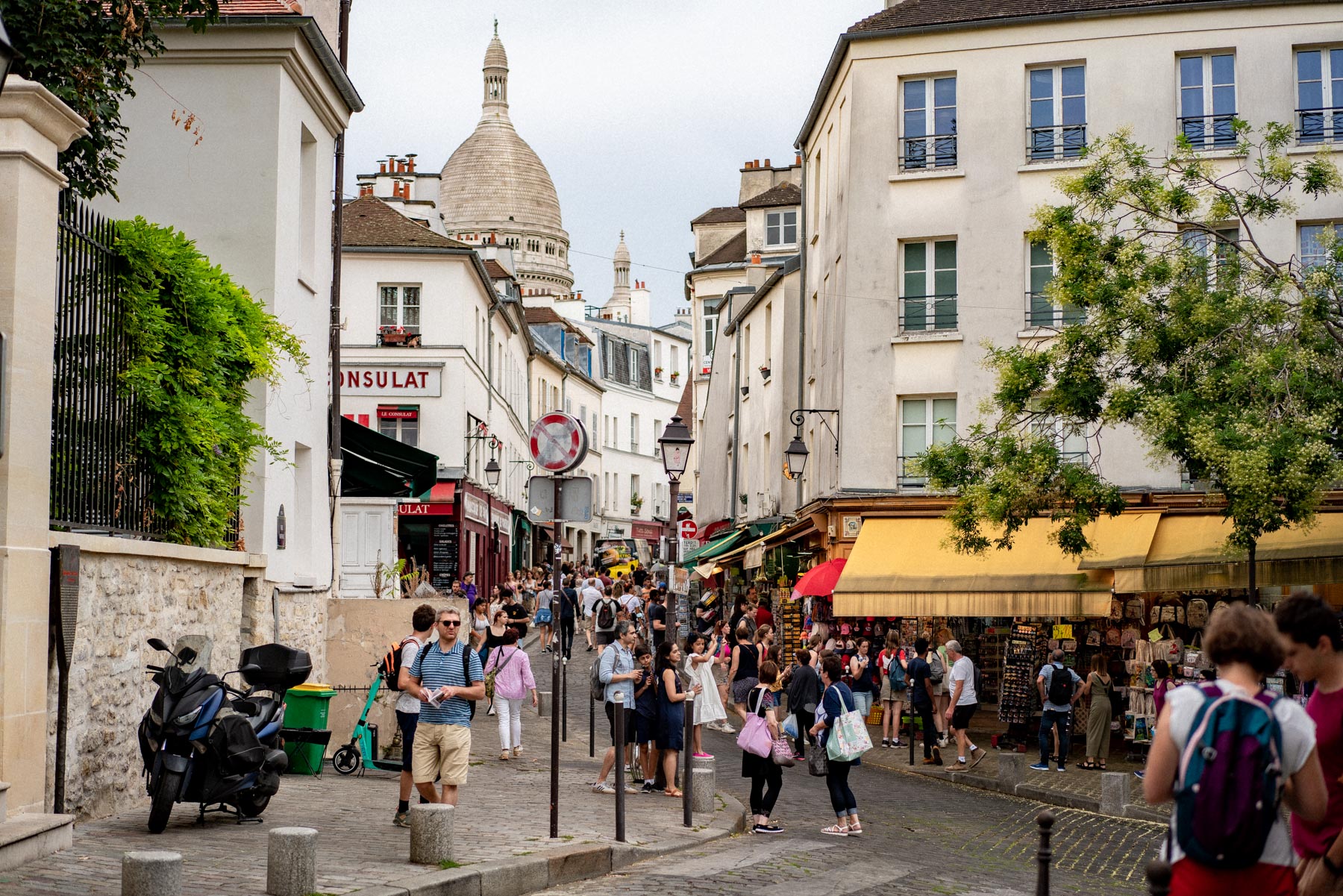
Montmartre is the budget-friendly option with serious character. Steep hills, artist studios, outstanding views of the city below. The trade-off is that it’s a bit removed from central Paris, so you’ll rely on the Metro more. But the charm factor is off the charts and hotel prices are noticeably lower.
One area I’d avoid? The Gare du Nord neighborhood. I know hotels there are tempting because they’re cheaper. There’s a reason for that. It’s not particularly charming, it can feel sketchy at night, and you’ll spend every morning wishing you were somewhere else. You deserve better for your first time in Paris.
Read More: Where to Stay in Paris: The Best Neighborhoods For First Timers
How to Get Around
The Paris Metro is your best friend. It’s cheap, it’s fast, and it goes basically everywhere you’d want to go. On my first trip I was intimidated by the map (so many lines! so many colors!), but once you ride it twice, it clicks. The stations are well-marked and the signage is easy to follow even if you don’t speak French.
Pick up a Navigo Easy card at any Metro station. You load it with t+ tickets and just tap to ride. Way easier than fumbling with paper tickets every time, and you’ll feel like a local doing it. You can also load day passes if you plan on hopping around a lot.
That said, walking is *genuinely* the best way to experience Paris for the first time. The city is surprisingly compact and half the magic happens between destinations. The little bakeries you stumble into, the random courtyard you peek through, the street musicians on a bridge you weren’t even headed toward. You miss all of that underground.
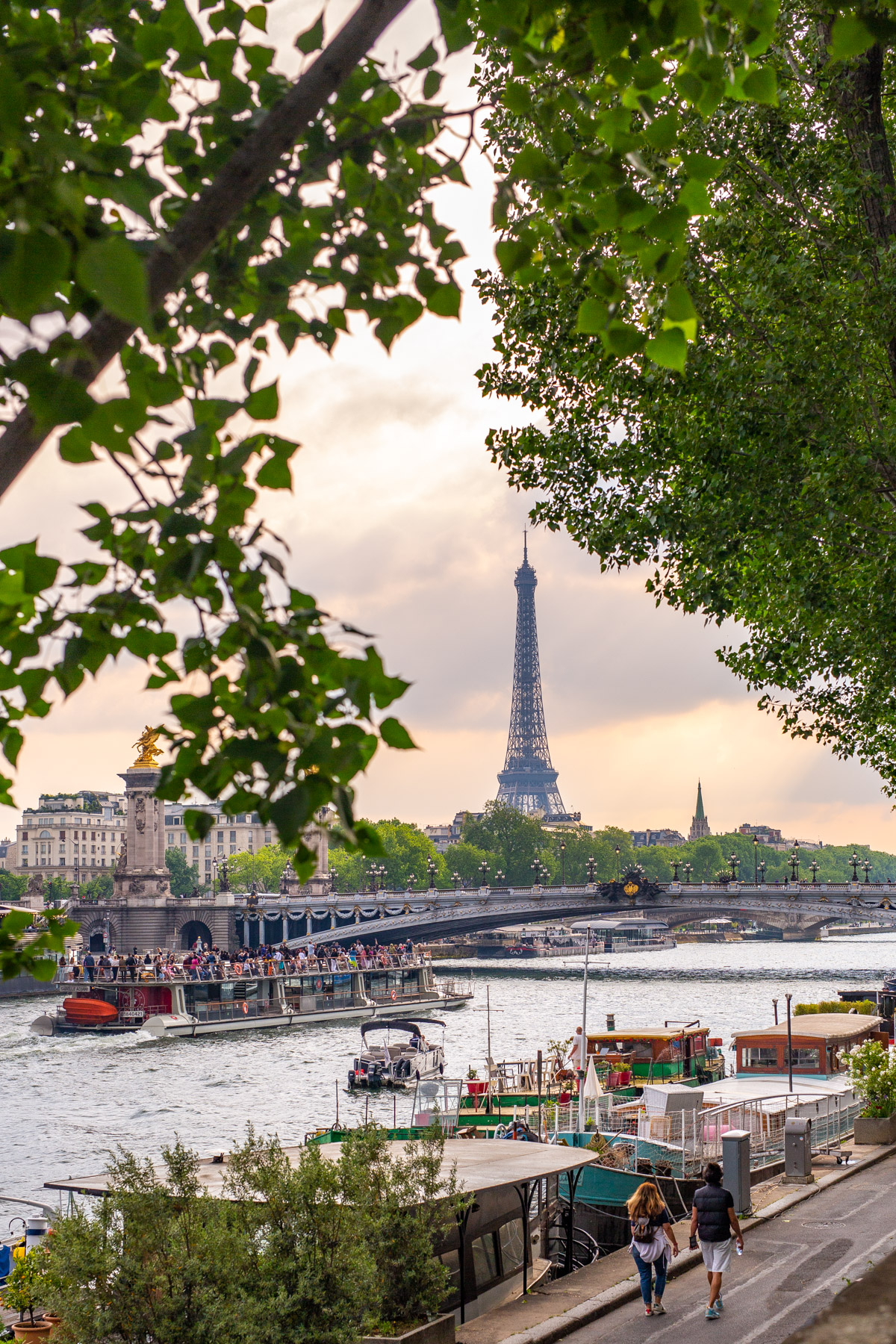
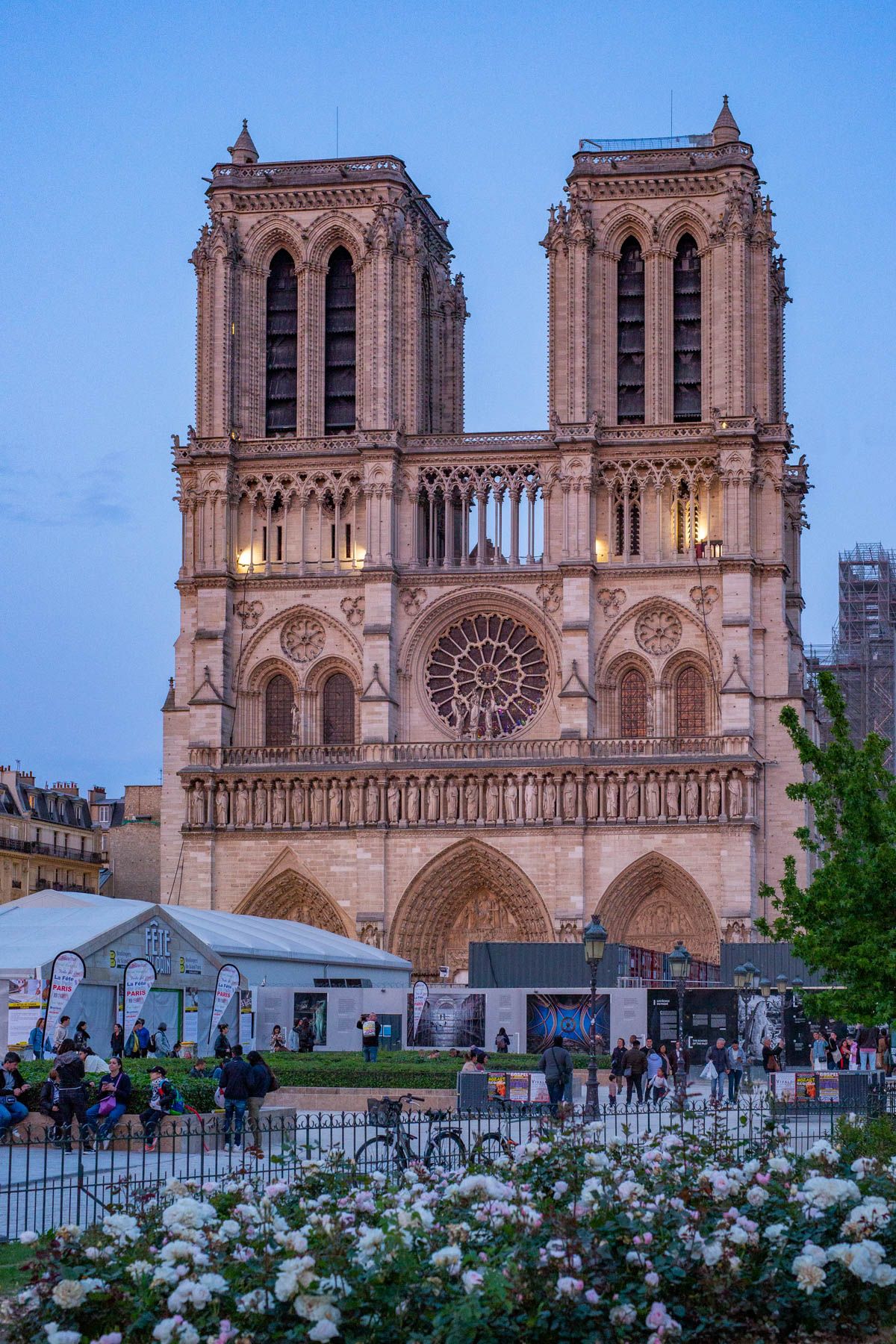
I average about 20,000 steps a day in Paris and never feel like I’m pushing it. The city is flat (except Montmartre, which is basically a StairMaster), and the walking routes between major sights are genuinely beautiful. Walking from the Eiffel Tower to Notre Dame along the Seine might be one of the best urban walks in the world.
Uber works in Paris and so do regular taxis. Both are fine for late nights or when your feet are staging a full revolt after a day of exploring. No judgment here. I’ve definitely Ubered home after an ambitious day that started at 8am and ended at midnight.
What I *would* skip? The hop-on-hop-off buses. They’re overpriced, painfully slow in Paris traffic, and you’ll see more of the bus ceiling than actual Paris. Hard pass from me.
What to Do on Day 1 (Don’t Overcomplicate It)
Here’s the mistake I see every first-timer make. They land, check into the hotel, and immediately try to hit the Louvre, the Eiffel Tower, Notre Dame, and Montmartre all before dinner. Then they’re exhausted, cranky, and wondering why Paris isn’t living up to the hype.
Don’t do that. I’m serious.
Your first day should be simple. Walk to the Eiffel Tower area and just *be there* for a while. Sit on the Champ de Mars lawn with a baguette and some cheese from the nearest grocery store. Watch the light change on the iron lattice. Buy a crepe from a nearby stand and eat it slowly.
Then stroll along the Seine as the afternoon fades. Cross a bridge or two. Stop at a cafe when you feel like it. Let the city reveal itself to you at a human pace instead of trying to speedrun the highlights.
Paris isn’t a checklist. It’s a feeling. And you can’t feel it while sprinting between landmarks with Google Maps open and a growing sense of panic about your museum reservations.
Save the museums and major sights for day two and beyond, when you’ve found your rhythm and your internal clock has adjusted. I promise you will enjoy them ten times more when you’re rested and oriented. There’s nothing worse than standing in front of the Mona Lisa while jet-lagged and hangry.
Full Attractions List: Best Things to Do in Paris (My Complete Guide)
The Food Rules
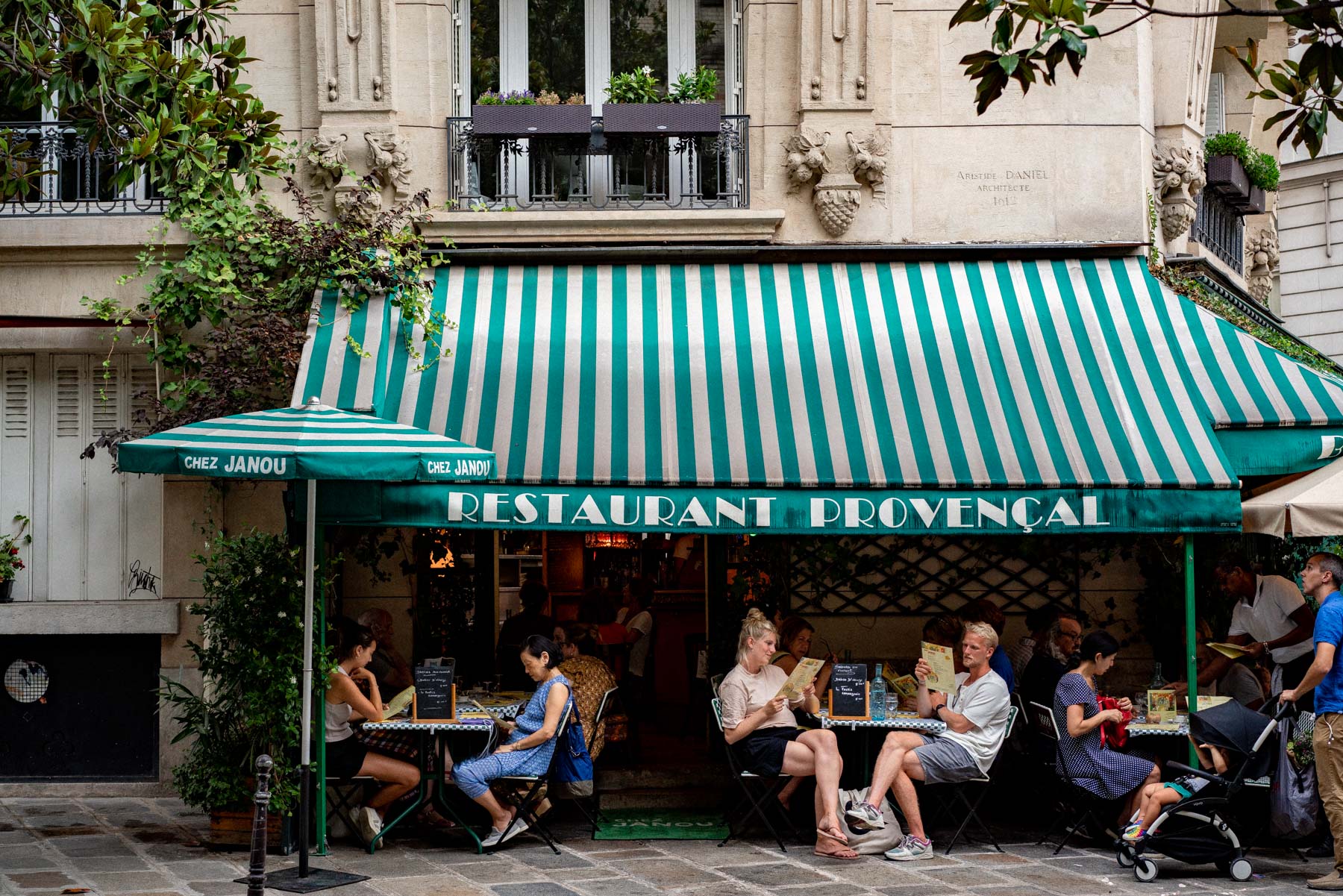
Okay, this section might be my favorite because Parisian food culture has very specific (unwritten) rules. And if you follow them, you’ll eat like royalty without spending a fortune. Ignore them and you’ll eat overpriced garbage near the Eiffel Tower and blame Paris for it.
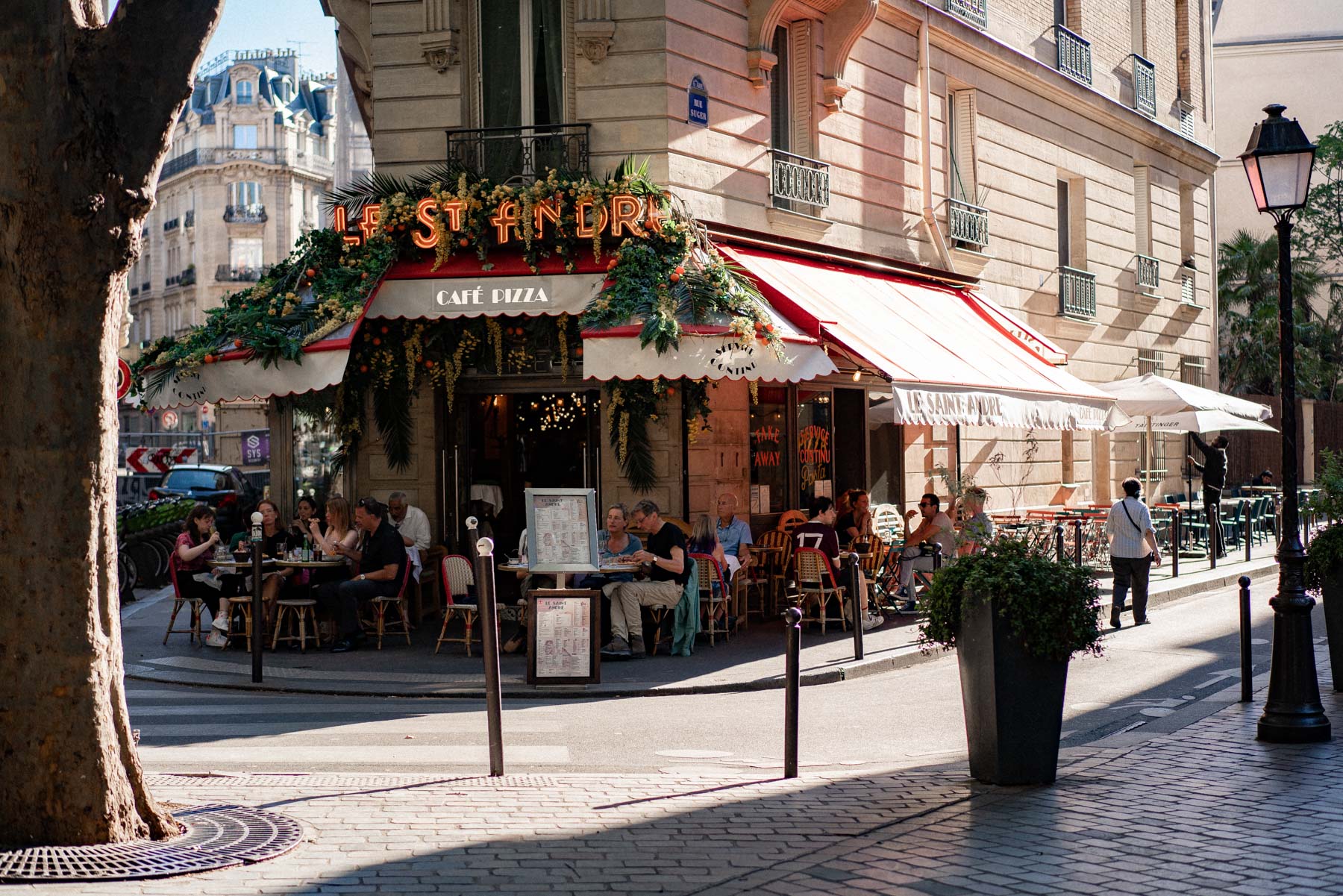
Rule number one. If a restaurant has photos of the food on the menu, walk away. No hesitation, no second-guessing. This is the single most reliable tourist trap indicator in all of Paris. Real Parisian restaurants don’t need pictures to sell their food. They just don’t.
Rule number two. If someone is standing outside the restaurant trying to wave you in, that’s another red flag. Good restaurants in Paris don’t need to recruit customers off the sidewalk. The food does the talking.
Boulangeries are your secret weapon for lunch. A fresh baguette sandwich with jambon and butter, a warm quiche lorraine, maybe a little tarte aux fruits on the side. You’ll spend 8-12 euros and eat better than most people paying 35 euros at a sit-down restaurant near a major attraction. I eat at boulangeries almost every day in Paris and I regret nothing.
Here’s a fun one. Wine is often cheaper than water at dinner. Seriously. A glass of house red might run you 4-5 euros while a bottle of Evian costs 6-7 euros. When in Paris, right? Order the wine. It’s usually quite good, even the house pour.
Tipping is *not* expected. Service is included in the bill (service compris). You can round up or leave a euro or two if the service was exceptional, but nobody is expecting 20%. I wish someone had told me this before my first trip because I was tipping American-style and the waiters probably thought I was either very generous or very confused. (I was confused.)
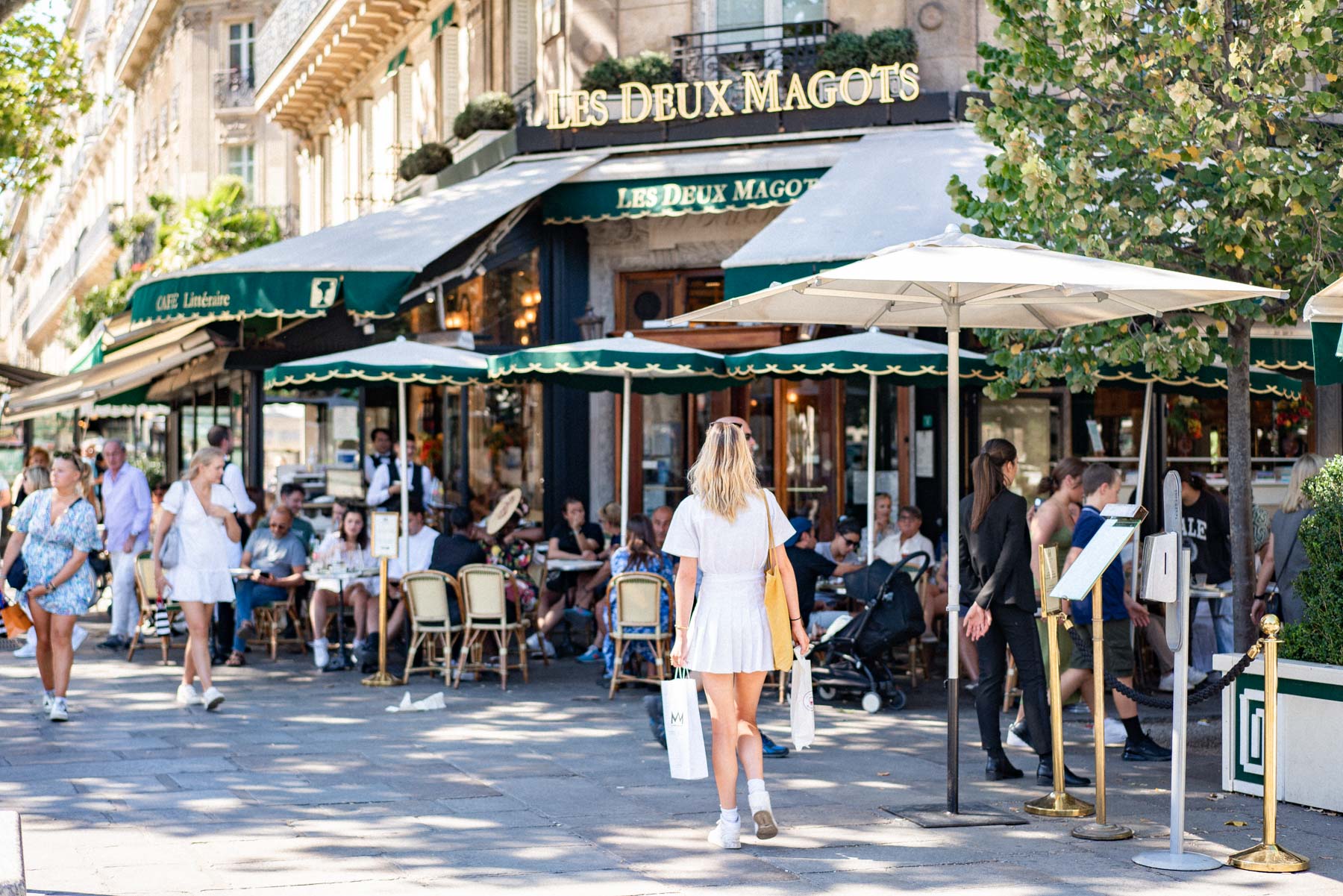
For the best food neighborhoods, stick to Le Marais, Saint-Germain, and Montmartre (but head deeper into the Montmartre streets, away from the tourist cluster around Sacre-Coeur). These areas have the highest concentration of places where locals actually eat, which is always the metric that matters.
And please, I’m begging you, think twice before eating in the Latin Quarter. I know it looks charming with all those tables spilling onto the sidewalk and the handwritten menus. But most of those restaurants survive on tourist turnover, not repeat local customers. The food reflects that reality. There are a few gems hidden in there, but you really need to know where to look.
Common Mistakes First-Timers Make
I’ve made most of these myself, so there’s zero judgment here. Just lessons learned the hard way so you don’t have to repeat my mistakes.
Trying to see everything in 3 days. Paris has enough to fill three weeks easily. If you only have a long weekend, pick 2-3 things per day maximum and leave room for wandering. The unplanned moments are usually the ones you remember most vividly ten years later. That random cafe you ducked into during a rainstorm? That’s the story you’ll keep telling.
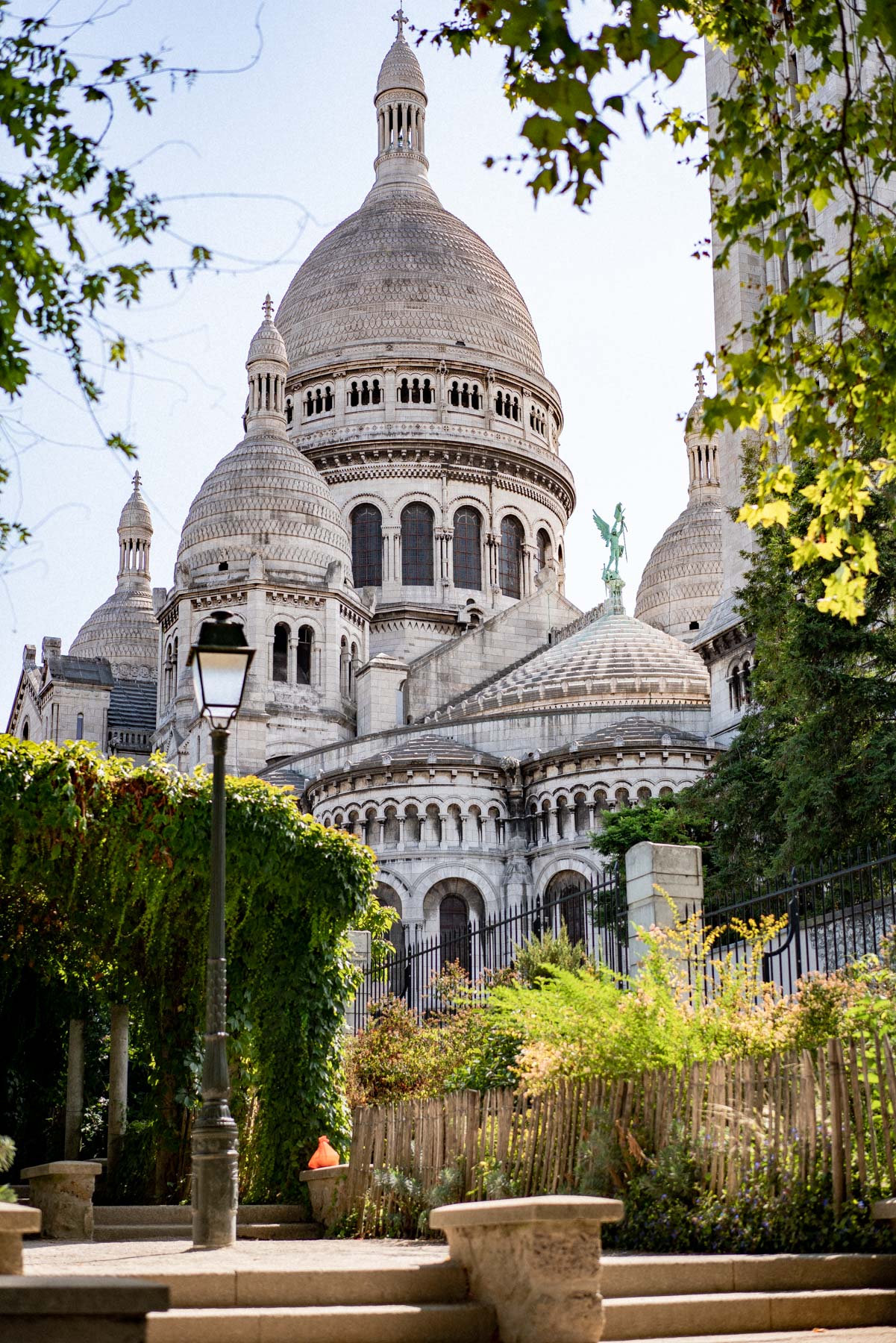
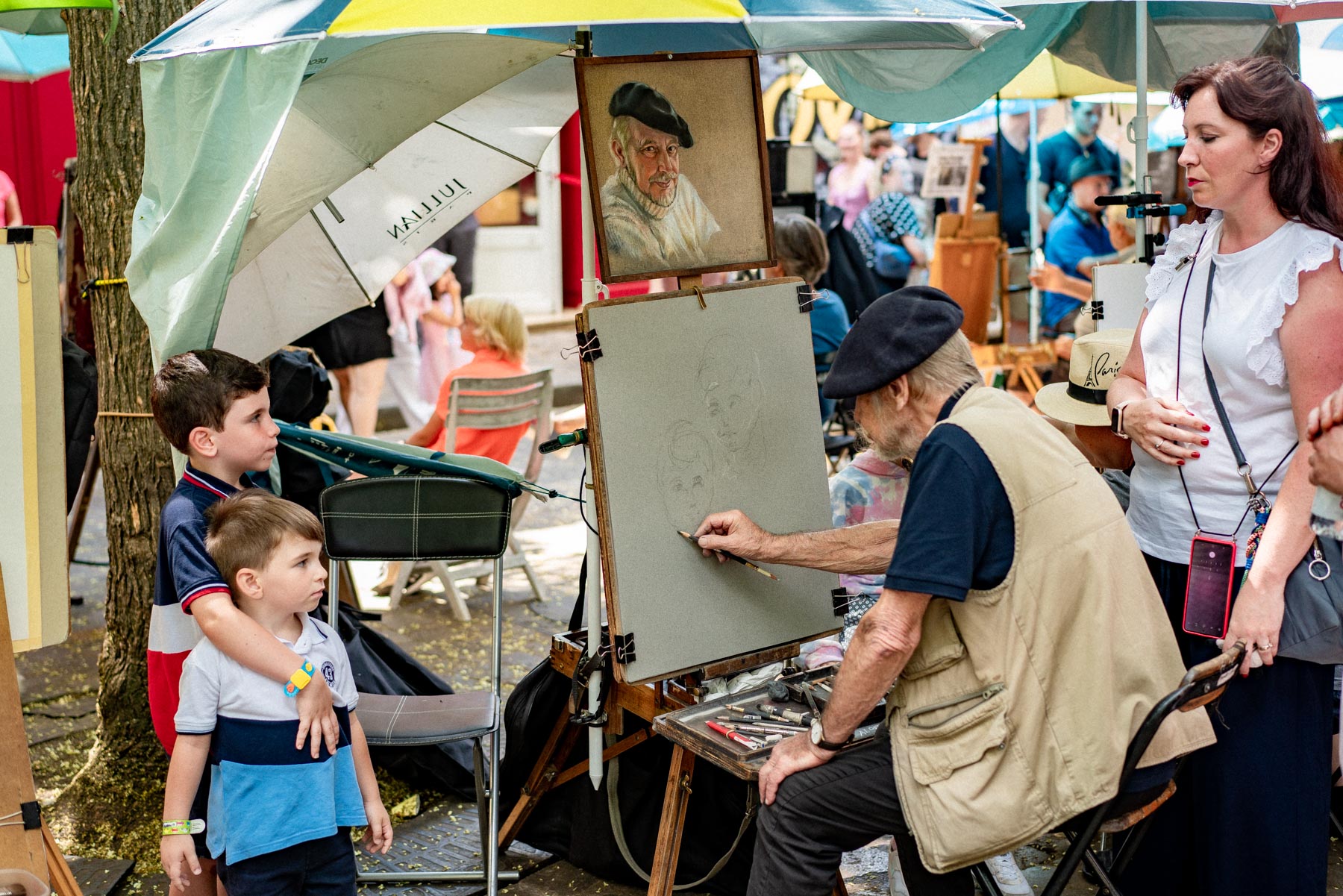
Only visiting Montmartre for Sacre-Coeur and leaving. This is tragic and I see it constantly. The basilica is gorgeous, yes, but the *neighborhood* is where the real magic lives. The winding streets lined with ivy, the artist square at Place du Tertre where you can watch painters work in the open air, the hidden cafes tucked around every corner. Give Montmartre at least half a day, not 45 minutes.
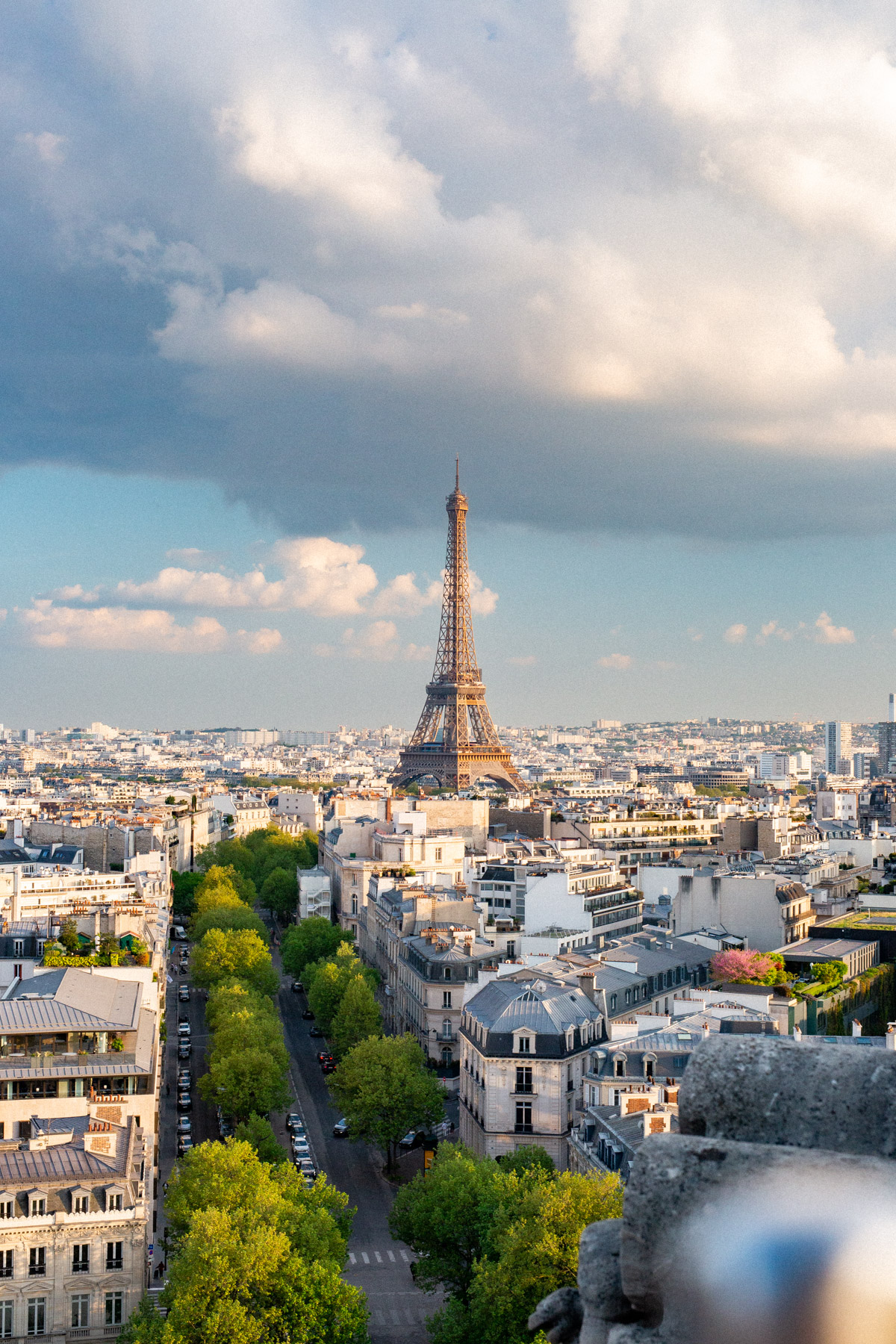
Not booking Eiffel Tower tickets in advance. The line without a pre-booked ticket can easily stretch 2-3 hours. I’ve watched people stand in line for an hour, realize the wait was much longer, and give up entirely. Book online at least 2 months ahead if you want to go up. Though honestly? I think the Eiffel Tower is better admired *from a distance* than from the top. The views from up there are fine, but they’re missing the one thing that makes the Paris skyline look like Paris.
Eating in the Latin Quarter tourist traps. I mentioned this in the food section but it bears repeating because it’s that important. Those guys standing outside restaurants trying to lure you in with laminated menus? That’s your sign to keep walking.
Not saying “Bonjour” when entering a shop or restaurant. This one will bite you hard. More on that in the next section.
Deep Dive: 10 Mistakes to Avoid in Paris (That Most First-Timers Make)
What Nobody Tells You
Parisians are not rude. I will die on this hill and I will fight anyone who disagrees. They just have different social norms than Americans. Walk into any shop, cafe, or bakery and say “Bonjour” before anything else. That’s it. That one word changes *everything* about how people treat you. Skip it and you’ll get the cold shoulder. Say it and suddenly everyone is warm and helpful.
My first trip I walked into a boulangerie and immediately started pointing at croissants like some kind of feral tourist who had never been in a bakery before. The woman behind the counter looked at me like I had three heads. My friend whispered “say bonjour first” and I tried it at the next shop. The entire interaction transformed. Lesson learned forever.
August is when Paris empties out. Locals flee to the countryside and coast for their annual summer holiday. Tons of restaurants and small shops close for the entire month, sometimes putting up little handwritten signs that say “fermeture annuelle” and nothing else. The upside is fewer crowds and lower hotel prices. The downside is that the city feels a little hollow, like visiting a friend’s apartment when they’re on vacation.
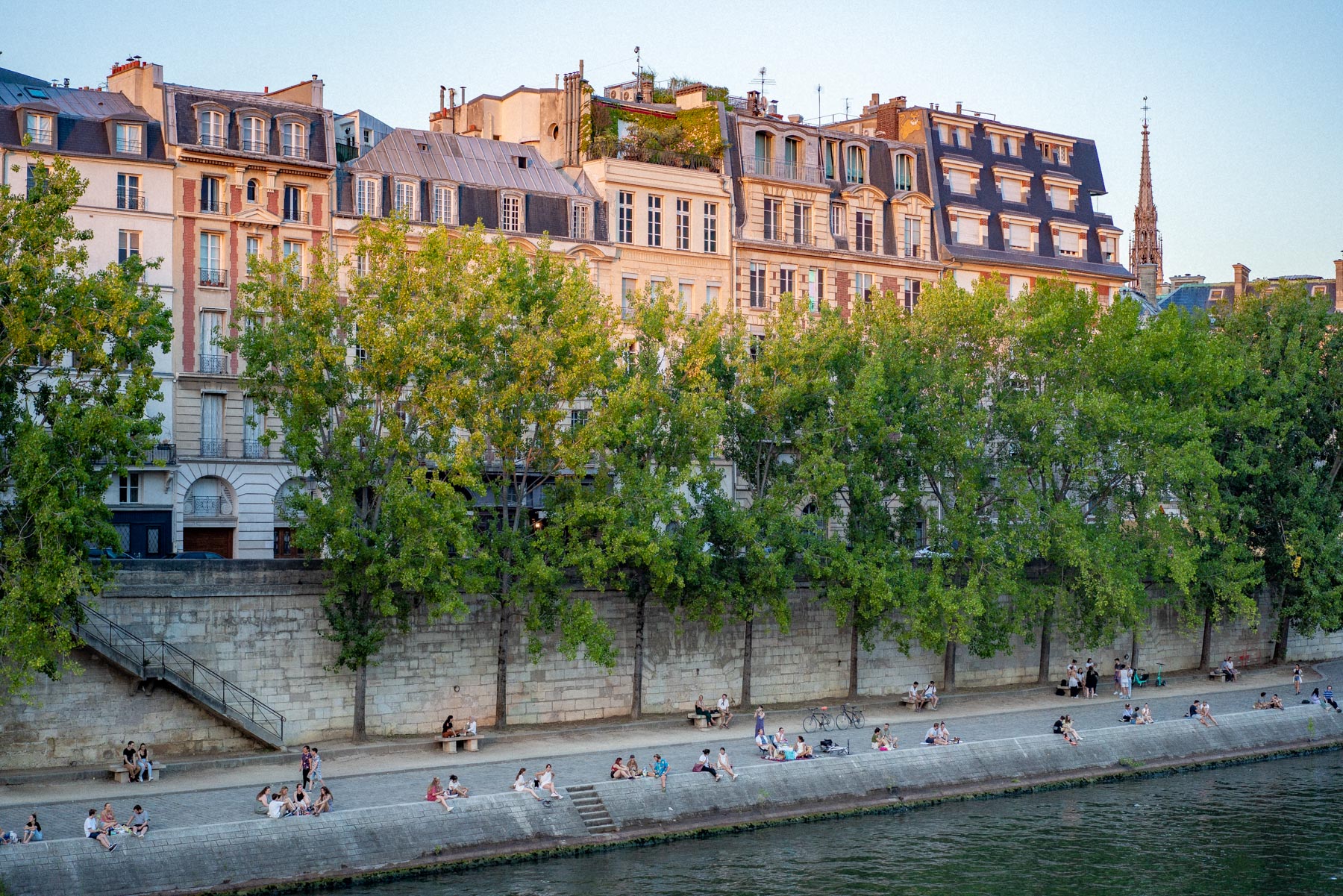
The Seine is better at night than during the day. I know, I know, the daytime Seine walks are lovely and Instagram-worthy. But after dark, when the bridges light up golden and the bateaux mouches glide past with their spotlights sweeping across the stone buildings? It’s genuinely one of the most beautiful things I’ve ever seen in any city, anywhere. Grab a bottle of wine from a nearby shop, find a spot along the bank, and just sit there as the city glows around you. You’ll understand why people lose their minds over Paris.
Sunday most things close. Plan accordingly because this catches a *lot* of first-timers off guard. Most shops, many restaurants, and some bakeries are shuttered on Sundays. Le Marais is the big exception, which is yet another reason it’s a great base for your first visit. Use Sundays for parks, riverside walks, outdoor markets, and that slow brunch you keep promising yourself.
Water isn’t automatically free at restaurants. If you ask for “water” they’ll bring you a fancy bottle and charge 6-7 euros for it. Instead, say “une carafe d’eau, s’il vous plait” and you’ll get a free pitcher of perfectly fine tap water. This tiny French phrase will save you a surprising amount of money over the course of a week. I wish I’d known this on trip number one.
How Much Does Paris Cost?
Let’s talk numbers because I know this is what you actually want to know. And I’m going to be specific because vague “it depends” answers drive me crazy too.
Hotels range wildly depending on neighborhood and season. Budget options in Montmartre or the 11th arrondissement run 100-150 euros per night. A solid mid-range hotel in Le Marais or Saint-Germain is 200-350 euros. And if you want the full fancy Parisian hotel experience, there’s genuinely no ceiling. I’ve paid 120 a night and I’ve paid 500 a night. Both trips were great, honestly.
Food can be very reasonable if you’re strategic about it. Breakfast at a boulangerie (croissant, pain au chocolat, coffee) is 5-10 euros. Lunch from a bakery or market is 8-15 euros. A proper sit-down dinner with wine runs 35-60 euros per person at a mid-range restaurant. The trick is mixing sit-down dinners with bakery lunches and picnics in parks. You eat just as well and spend half as much.
The Metro is 2.15 euros per ride with a t+ ticket. If you’re taking 4+ rides a day, a day pass might save you a few euros, but honestly most days I walk more than I ride and spend maybe 4-6 euros total on transit.
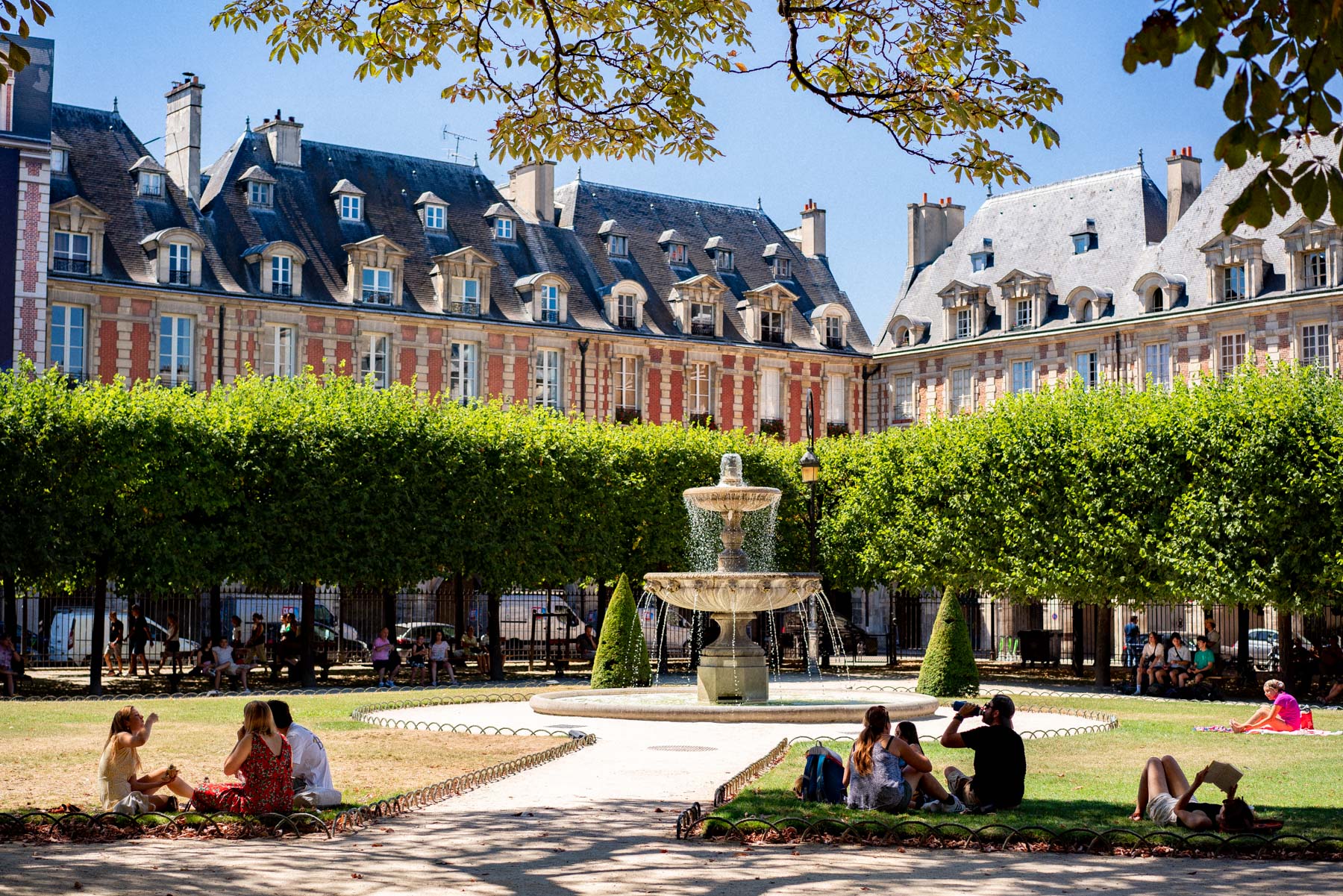
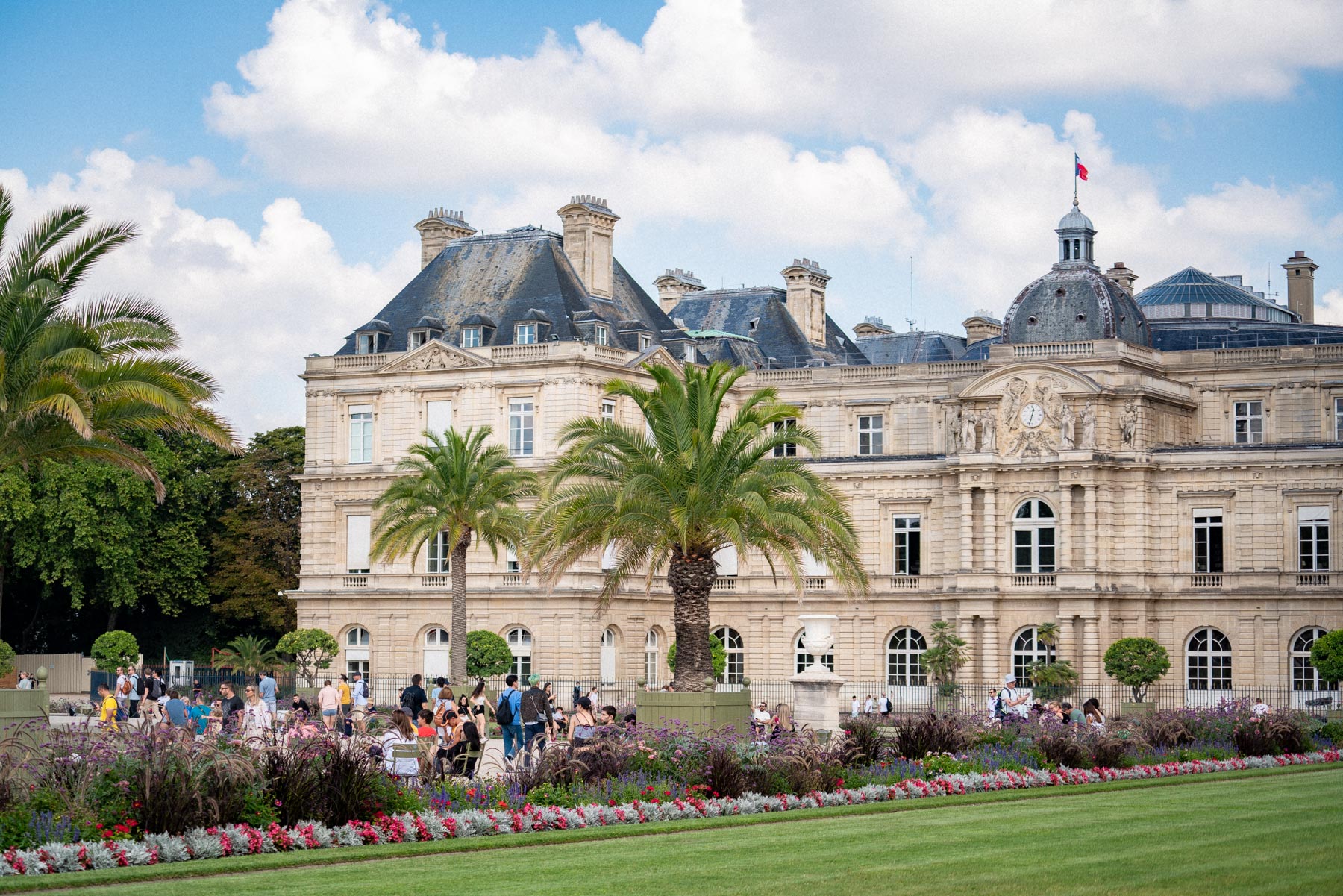
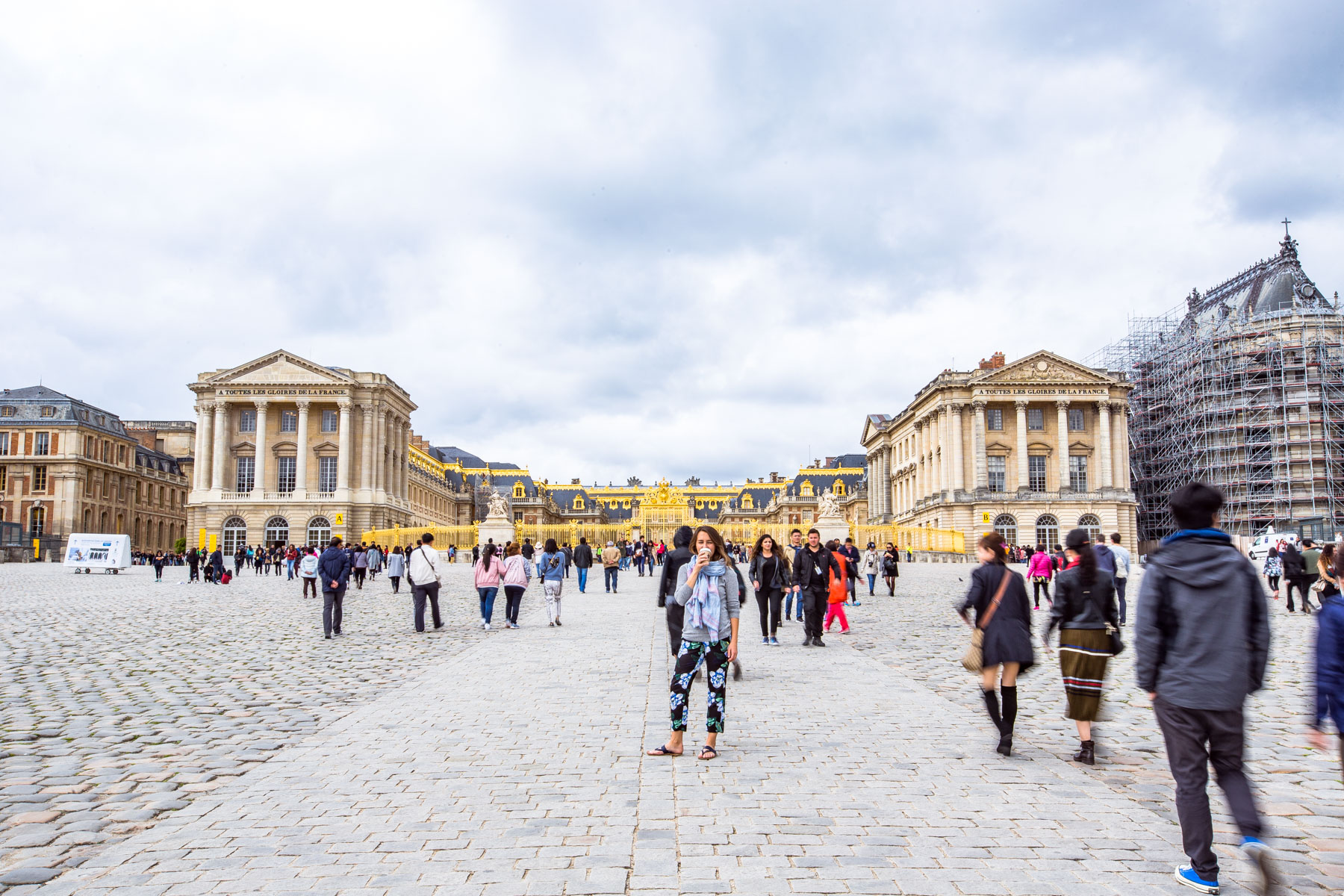
Attractions add up fast if you’re not careful. The Louvre is 22 euros, Musee d’Orsay is 16, Versailles is 21, and the Eiffel Tower summit is around 26. But here’s the good news. So many of the best things in Paris are completely free. Walking along the Seine, exploring Le Marais, people-watching from the Luxembourg Gardens, catching the Eiffel Tower sparkling at night from Trocadero, wandering through Montmartre. Free, free, free.
Overall? Paris is expensive but not *as* expensive as people fear. It’s cheaper than London and significantly cheaper than Zurich, Oslo, or Reykjavik. A week in Paris for two people, doing it comfortably but not extravagantly, runs roughly 3,000-4,500 USD including flights from the East Coast.
Pro tip that saves real money. The first Sunday of each month, many museums offer free admission. And picnics in the Luxembourg Gardens or along the Seine cost next to nothing if you shop at a grocery store like Monoprix or Franprix. Some of our best meals in Paris have been a fresh baguette, a wedge of brie, a bottle of 5-euro wine, and a great view. No reservation required.
Is Paris Worth It?
Yes. Full stop. But I want to be honest with you because that’s kind of my whole thing on this blog.
Paris is not a movie set. It’s a real city with real grime and real complexity. There are cigarette butts on the sidewalk, graffiti on gorgeous Haussmann buildings, and the occasional smell of something unidentifiable wafting from a Metro grate. The first time I saw trash bags piled on the street in the 5th arrondissement, I was genuinely confused. Where was the Paris from Amelie? Where were the accordion players and the perfectly placed flower boxes?
But here’s the thing. Once you stop looking for the movie version and start paying attention to the *real* version, Paris becomes so much better than any film could possibly capture.
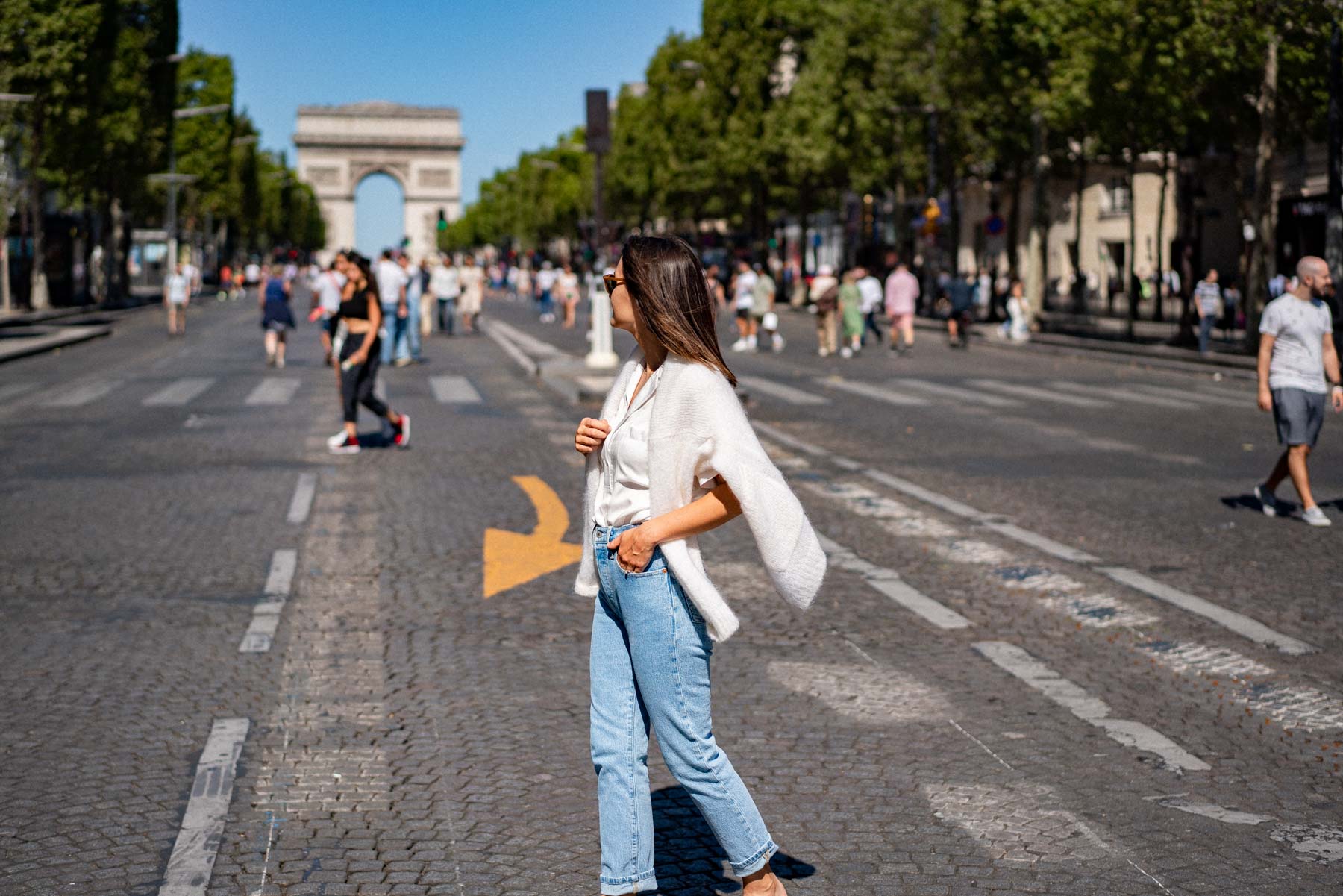
The magic is in the small moments that no guidebook can plan for. The way golden light hits the limestone buildings at 7pm in June and everything turns honey-colored. The sound of someone practicing accordion in a courtyard you wandered into by accident. The first bite of a pain au chocolat that’s still warm from the oven and melts on your tongue. The old couple holding hands on a bench in the Tuileries who have probably been doing that for 40 years.
Paris doesn’t shout. It whispers. And if you slow down enough to listen, it will absolutely wreck you in the best possible way.
My advice? Manage your expectations on the front end. Don’t go expecting perfection or a Pinterest board come to life. Go expecting a complicated, beautiful, occasionally frustrating, always fascinating city that has been making people fall in love for centuries. It earned that reputation honestly, just not in the ways you expect.
And when you get home, you’ll already be planning your next trip. I guarantee it. I’m on trip number eight and I’m already thinking about number nine. That’s just what Paris does to people.
Quick Reference for Your First Time in Paris
Because I know you’re going to screenshot this section. (I would too.)
- Best neighborhoods to stay – Le Marais, Saint-Germain, Montmartre
- Getting around – Metro + walking (get a Navigo Easy card)
- Day 1 move – Eiffel Tower area + Seine walk, nothing more
- Food hack – Boulangeries for lunch, avoid photo menus
- Tipping – Not expected (service compris)
- Free water – Ask for “une carafe d’eau”
- Magic word – Bonjour (say it first, always, everywhere)
- Avoid – Latin Quarter restaurants, hop-on-hop-off buses, Gare du Nord hotels
- Budget for two (per day) – Roughly 250-400 euros including hotel
- Best months – September to November, late April to June
More Paris Guides
I’ve written a *lot* about Paris over the years (can you tell I’m slightly obsessed?). Here are my other guides to help you plan the perfect first trip.
- Best Things to Do in Paris
- Where to Stay in Paris
- Mistakes to Avoid in Paris
- Best Views of the Eiffel Tower



Leave a Reply